Vending
Madeline Adventures takes unattended rentals to the waterfront
Kayak rental company Madeline Adventures plans six additional locations in 2027 after launching a lock-code operation on Wisconsin's Madeline Island.
October 16, 2026 by Richard Slawsky — Editor, Connect Media
 ChatGPT
 Grok
Grok Perplexity
 Claude
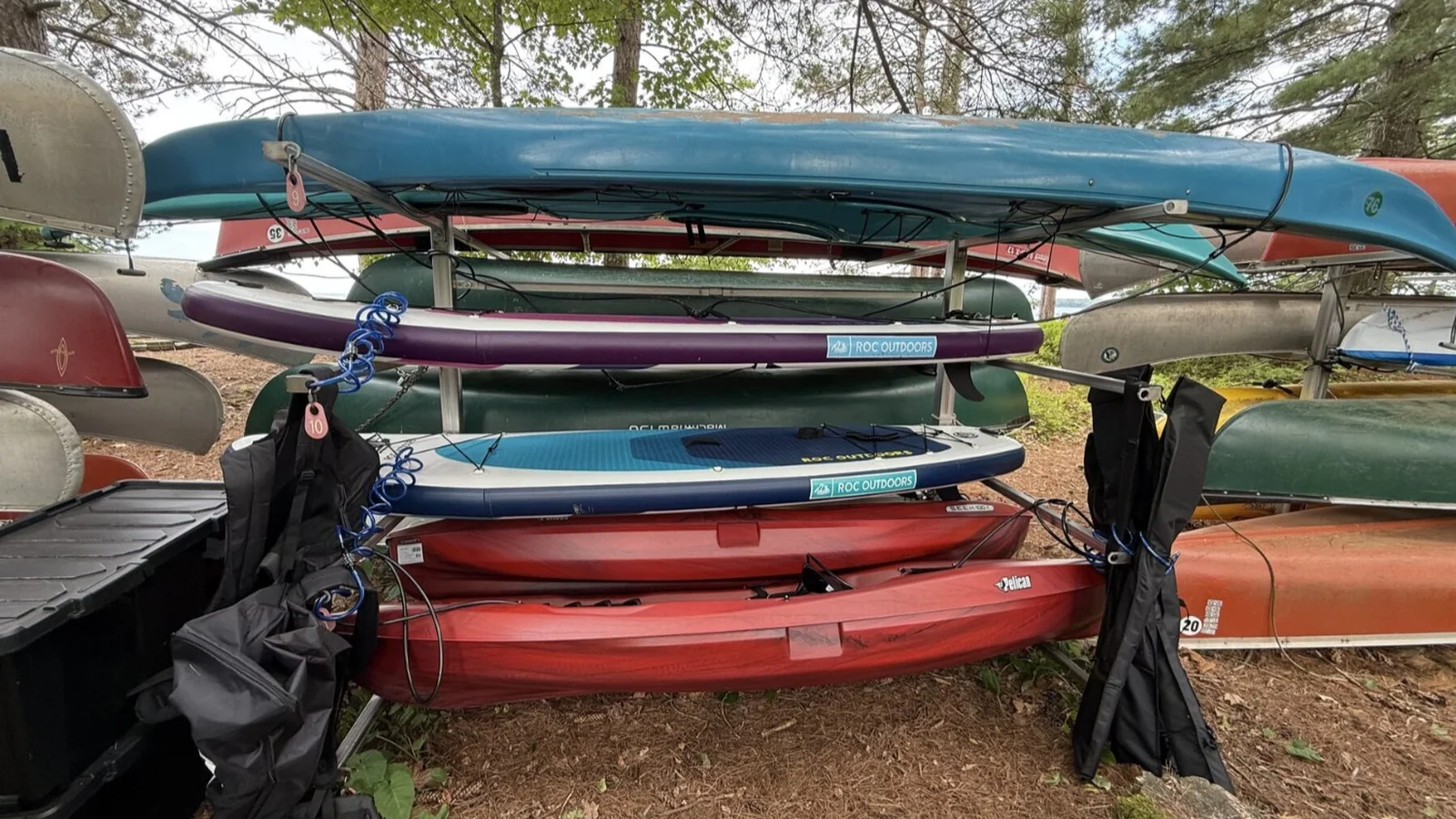
At a waterfront park on Wisconsin's Madeline Island, renting a kayak no longer requires finding an employee, visiting a rental counter or waiting for a shop to open. Customers book online, receive a combination-lock code and retrieve their equipment from a rack overlooking Lake Superior.
Madeline Adventures launched the unattended rental operation this summer at Big Bay Town Park, offering kayaks and paddleboards through a reservation system that eliminates the need for an on-site attendant. The company has served approximately 150 customers during its inaugural season and plans to add six locations in 2027 across Wisconsin, Massachusetts, Maine and Washington.
Rather than relying on a touchscreen kiosk or electronic dispensing equipment, the company combines online reservations with conventional locks and secure storage racks. The approach demonstrates how businesses can apply unattended retail principles to services traditionally requiring face-to-face transactions.
Replacing the rental counter
Madeline Adventures Founder Tim Wright, an attorney whose professional background includes risk and compliance, developed the system to simplify recreational equipment rentals.
Customers select their equipment and rental duration on the company's website, complete payment and receive a confirmation email containing the codes needed to unlock their rentals.
Each boat is secured with a combination lock and cable. Separate storage boxes hold paddles, while life jackets are available at the racks.
The company's initial fleet includes four kayaks and two inflatable stand-up paddleboards. Equipment ranges from 14-foot touring kayaks to smaller recreational sit-on-top models designed for casual paddling.
Rentals begin at $20 for one hour, with longer rental periods available. The company also advertises discounts for certain weekday and same-day bookings.
"The main lesson is that with no counter and no staff, the booking flow has to do the job a person would," Wright said in an email interview. "Renters book online, get a lock code by email and on a confirmation page, and the instructions have to be clear enough to use on the dock without calling anyone."
That clarity is especially important at Big Bay, where cellular connectivity can be unreliable. The company recommends customers save a screenshot of their access codes before arriving.
Managing an unattended operation
Operating without on-site employees introduces challenges involving equipment security, liability, weather and maintenance.
Each boat is secured individually, and access codes are provided with confirmed reservations. Renters must accept an online liability waiver before booking, and Madeline Adventures carries commercial insurance.
Weather is another consideration, particularly on Lake Superior, where conditions can change rapidly. Customers can reschedule reservations online when conditions interfere with their plans.
The company's website provides safety instructions, including requirements to wear life jackets, remain near shore and avoid paddling under the influence of alcohol or drugs.
Phone and email support are available when customers need assistance.
At the conclusion of a rental, customers must secure their equipment to the racks. The company's partnership materials describe a process requiring renters to submit photographs confirming that boats have been returned and locked.
Madeline Adventures also conducts weekly equipment inspections and handles repairs, complaints and missing equipment.
A revenue-sharing model for property owners
The company plans to expand through partnerships with municipalities, parks, marinas, campgrounds and private waterfront property owners.
Under its new host arrangements, Madeline Adventures supplies the equipment, racks, insurance, maintenance and reservation system. Hosts provide waterfront space and receive 30% of gross rental revenue.
"Parks, towns and private waterfront owners host a rack, and we supply, insure and run everything," Wright said. "The host gets a share of each rental and does not take on staff time or cost."
A typical freestanding rack occupies approximately 6 by 3 feet and can hold four to six boats. The equipment requires no electrical connection or permanent construction.
The company can also use spaces in existing municipal kayak racks, subject to local permitting requirements. Its standard partnership terms allow property owners to terminate an arrangement and require equipment removal within 48 hours.
For waterfront property owners, the arrangement offers a potential source of revenue without the expense of purchasing equipment, hiring employees or managing reservations.
Six additional locations planned
Following its first season, Madeline Adventures is preparing to expand beyond Madeline Island.
The company's website identifies six proposed locations for summer 2027: Big Bay State Park in Wisconsin; Kingston and Provincetown in Massachusetts; Monmouth and Portland in Maine; and Seattle, Washington.
The proposed sites include inland waterways, coastal harbors and urban recreational areas. Fleet configurations will vary based on local conditions and demand.
Madeline Adventures expects to open reservations in spring 2027, although the additional locations remain in the planning stage. The expansion will test whether its reservation-and-lock system can be replicated across different waterfront environments and regulatory jurisdictions.
Beyond kayaks
Wright also sees opportunities to apply the model to other recreational equipment.
Madeline Adventures is testing small lockers that could accommodate fishing, snowshoeing and camping kits, potentially extending its business beyond the summer paddling season. Those applications would use the same reservation and access-code technology, allowing customers to retrieve equipment from unattended locations.
For Wright, however, the ultimate objective extends beyond operational efficiency.
"What I am really after is getting more people and families out on the water, enjoying paddle sports and time in nature, without the headaches of renting from a traditional outfitter," he said.
About Richard Slawsky
In addition to writing, Slawsky serves as an adjunct professor of Communication at the University of Louisville and other local colleges. He holds both a Bachelor’s and a Master’s degree in Communication from the University of Louisville and is a member of Mensa and the National Communication Association.
Related Media
Featured Vendor

Unlock the future of retail with AmeriKiosks! Our end-to-end solutions empower retailers to thrive in automated retail. With years of experience, we guide your transition into a cutting-edge automated retail company, ensuring growth and success.
Subscribe
Get the latest news and resources from Vending Times.
Recent Posts