Micro Markets
Bucked Up tests automated retail store at Utah student housing complex
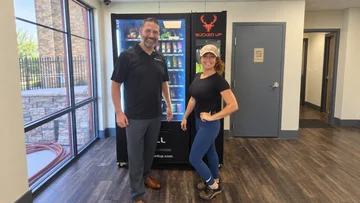
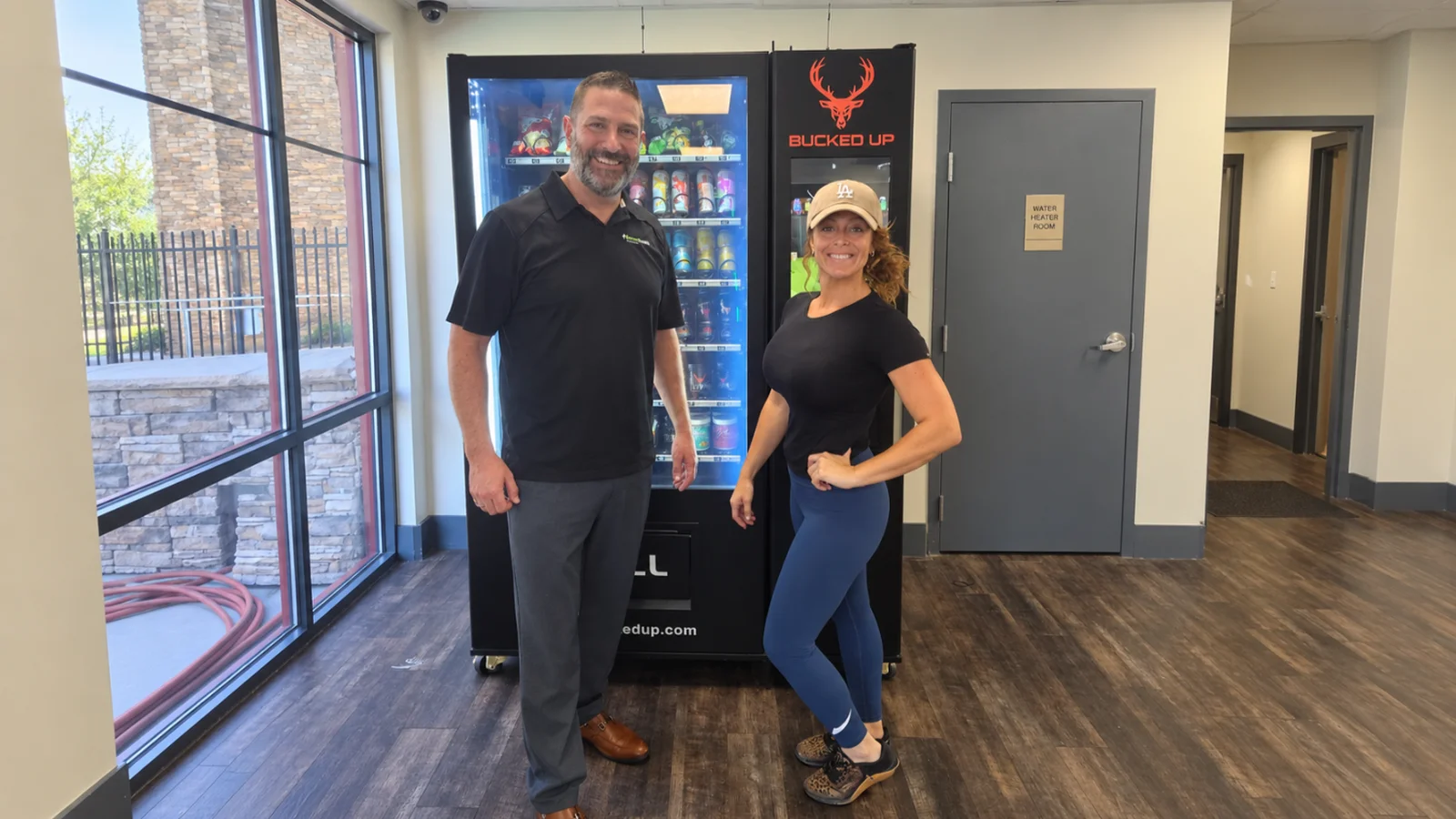
Bucked Up has launched an automated retail store inside the gym at Alpine Village, a student housing community in Provo, Utah, to test whether its sports nutrition products can support a nationwide network of 24-hour branded storefronts.
September 18, 2026 by Richard Slawsky — Editor, Connect Media
 ChatGPT
 Grok
Grok Perplexity
 Claude
Bucked Up has launched an automated retail store inside the gym at Alpine Village, a student housing community in Provo, Utah, to test whether its sports nutrition products can support a nationwide network of 24-hour branded storefronts.
A branded store for student housing
The Utah-based supplement and beverage company opened the Bucked Up Automated Retail Vending Store on Sept. 11. The project brings together Bucked Up, vending operator BetterHealth Vending, hardware importer and integration partner Daedalus Distribution and unattended retail technology provider Vendekin.
Founded in 2016 by twin brothers Ryan and Jeff Gardner, Bucked Up has grown from a pre-workout supplement brand into a broader sports nutrition and beverage company. MountainWest Capital Network reported in July that Bucked Up products are available in more than 100,000 stores worldwide and that the company was on pace for $300 million in 2026 revenue.
The Alpine Village concept is more than a conventional branded vending machine. The companies are testing whether connected vending equipment with interactive displays, shopping-cart functionality and remote controls can operate as a small-format extension of a retail store without an employee staffing the location.
Jeff Rogers, owner of BetterHealth Vending, described the deployment in an email interview as "the next evolution of automated retail: moving from standard vending to branded micro-storefronts with complete remote control."
Rogers said Bucked Up and BetterHealth Vending are natural partners because both challenge conventional approaches in their industries and focus on functional wellness products for active consumers. Bucked Up's emphasis on ingredient transparency and performance nutrition fits BetterHealth's health-focused product strategy, he said.
The kiosk carries Bucked Up's flagship lineup, including high-demand pre-workout products, lightly carbonated protein sodas, creatine gummies and ready-to-drink Refreshers. BetterHealth has paired those products with functional snacks and drinks from its consumer packaged goods portfolio, according to Jessica Gray, senior account manager at Bucked Up.
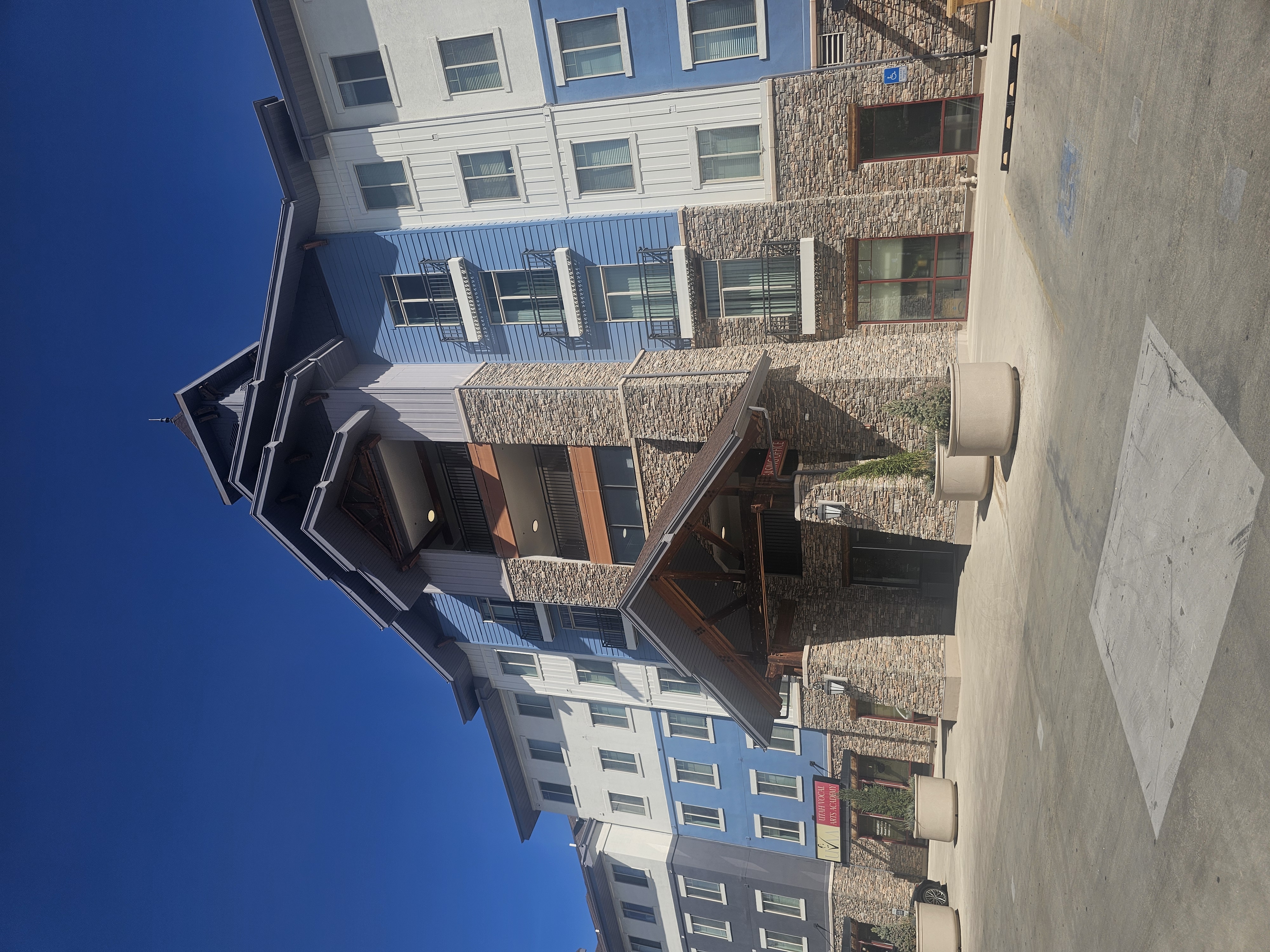
The product mix was selected for the location. Rogers said Alpine Village, which is managed by Redstone Residential, houses more than 1,000 Brigham Young University students. Gray said in an email interview that the assortment emphasizes grab-and-go energy and recovery products suited to an active, fitness-minded customer base.
A student housing community with an on-site gym puts the products close to consumers who are likely to use them. Residents can purchase protein drinks, electrolyte beverages, energy products and snacks near where they exercise without visiting a staffed supplement store or leaving the property.
Technology creates a retail-style experience
Customers browse products on a 22-inch high-definition touchscreen that displays product details, images and supplement facts, including information about ingredients such as Alpha GPC and L-citrulline. The shopping-cart feature allows a customer to select several items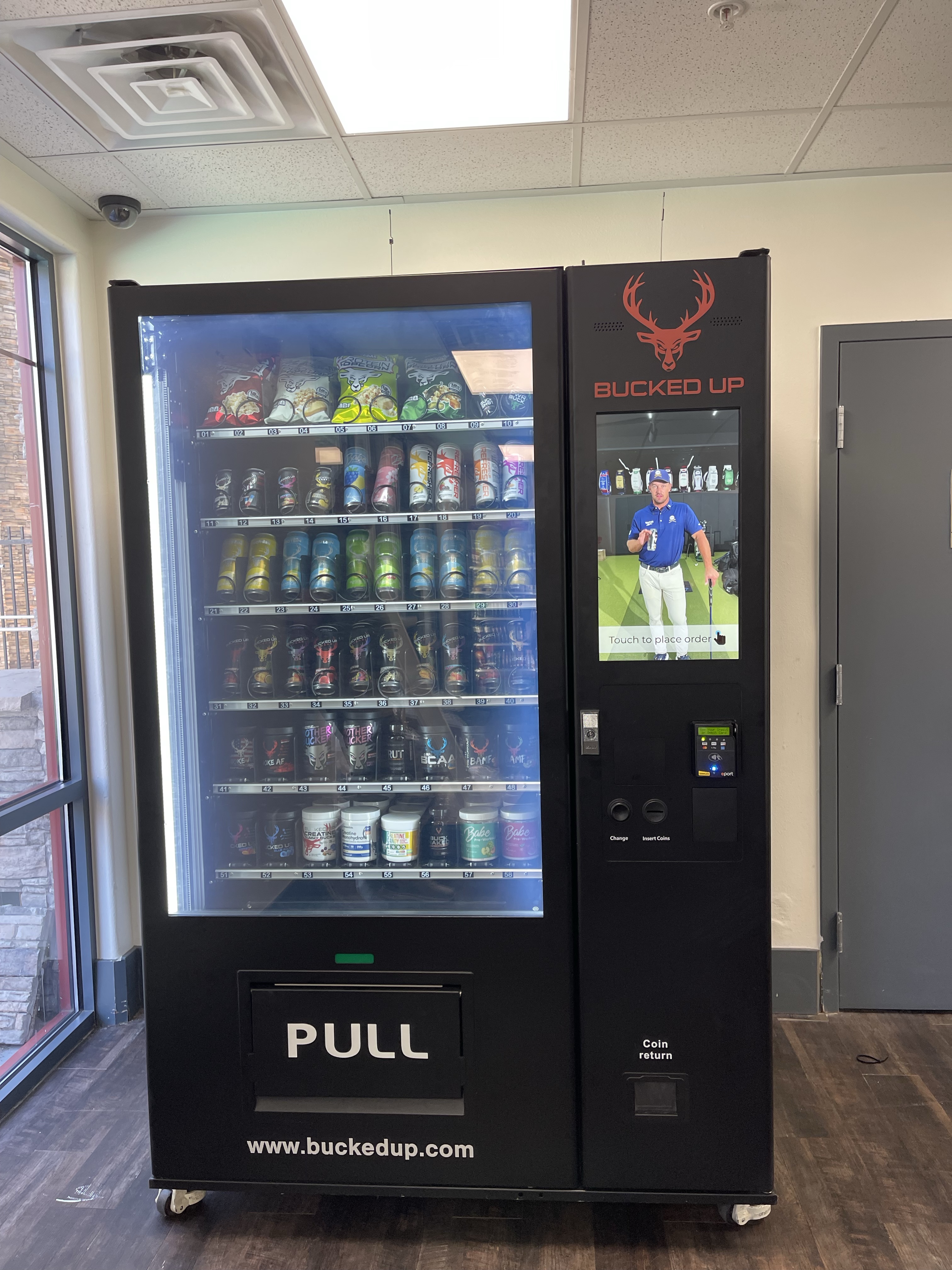 and pay for them in one transaction rather than repeating the payment process for each product.
Bucked Up chose a completely cashless configuration for the initial machines, although the equipment can be configured to accept cash. Customers can pay by card, Apple Pay or Google Pay.
Vendekin provides smart vending machines factory-integrated with its proprietary technology, giving the operator a single system for equipment, payments, telemetry and software. Its connected retail stack combines the interactive touchscreen, cashless payments and real-time machine connectivity with remote inventory and operational monitoring through its vNetra platform and data analysis through VendAIQ, according to Aroon Khatter, founder and CEO of Vendekin.
"The Bucked Up automated store is more than a traditional vending machine. It is a connected digital retail channel," Khatter said in an email. "It combines an engaging touchscreen experience with cashless payments, real-time operational visibility and data intelligence, allowing the experience and assortment to be continuously improved based on how customers actually shop."
That two-way connection goes beyond a conventional Data Exchange, or DEX, setup that reports transaction data after a sale. The platform also gives the operator access to sales, inventory and machine-status information without requiring a visit simply to inspect the equipment.
Drop sensors confirm whether a product was delivered. If an item fails to dispense, the system can immediately trigger a refund or credit and display support contact information on the screen. That feature is intended to reduce one of the most common sources of frustration in unattended retail while giving the operator information needed to address a problem.
The system supports remote management of products, prices, promotions and machine error logs. When the touchscreen is idle, it can display advertising controlled remotely by Bucked Up's marketing team.
Each partner has a defined role in the project. Bucked Up provides the products, brand and marketing support. Daedalus Distribution imports the hardware and serves as the master integration partner for Vendekin's touchscreens and telemetry equipment in the United States. Vendekin supplies the proprietary commerce software, vending management system and two-way control platform.
BetterHealth Vending operates the location, manages the route and customer service, and developed the playbook for replicating the concept. It also selected the supporting snack assortment and handles replenishment and day-to-day vending management.
Partners consider a nationwide rollout
 During the Alpine Village pilot, Vendekin plans to evaluate sales and product velocity at the stock-keeping-unit level, transaction success rates, demand by time of day, repeat purchasing patterns, touchscreen engagement, inventory availability, stockouts, uptime and refill efficiency. The data should show not only how much the store sells, but also which products, prices and customer journeys produce the strongest response.
Those measures should help the partners determine whether customers treat the location as a vending machine or a small store. Transaction count will matter, but average basket size, product combinations, sell-through rates and demand by time of day will provide a more detailed picture of purchasing behavior. Touchscreen engagement data also could indicate whether product education and video content influence purchases.
The multi-item basket may be especially important because it makes the experience resemble a convenience-store purchase rather than a traditional vending transaction. A larger basket also could improve the economics of the unattended location by spreading payment-processing and servicing costs across several products.
The Provo deployment is designed as a proof of concept for a nationwide turnkey program. If the model performs as expected, retailers, gym chains and wholesale distributors already carrying Bucked Up products could license the format to install 24-hour mini-stores in gyms, hunting and outdoor retailers, resort towns and other locations. Gray said the approach could allow Bucked Up to scale automated retail without owning and staffing each location directly while giving wholesale partners a lower-overhead way to add unattended sales.
Vendekin also intends to add loyalty tools that could reward repeat customers and support more relevant offers and promotions. Khatter said the pilot data will help Bucked Up and BetterHealth refine the assortment, customer experience and operating model before deciding how quickly and in what formats to expand.
"Because the underlying Vendekin platform is built for remote management, the model can be configured and scaled across gyms, universities and other high-traffic locations nationwide," Khatter said.
The Alpine Village store now gives the partners a chance to determine whether that promise translates into repeat purchases and sustainable economics. If conversion, basket size, inventory turnover and uptime meet their targets, the Provo installation could become a template for a broader network of automated Bucked Up storefronts.
About Richard Slawsky
In addition to writing, Slawsky serves as an adjunct professor of Communication at the University of Louisville and other local colleges. He holds both a Bachelor’s and a Master’s degree in Communication from the University of Louisville and is a member of Mensa and the National Communication Association.
Related Media
Subscribe
Get the latest news and resources from Vending Times.
Recent Posts