Micro Markets
Automated retail finds a home in apartment communities
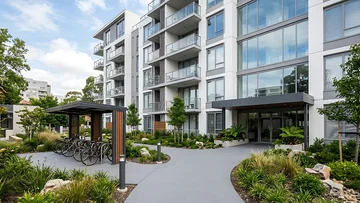
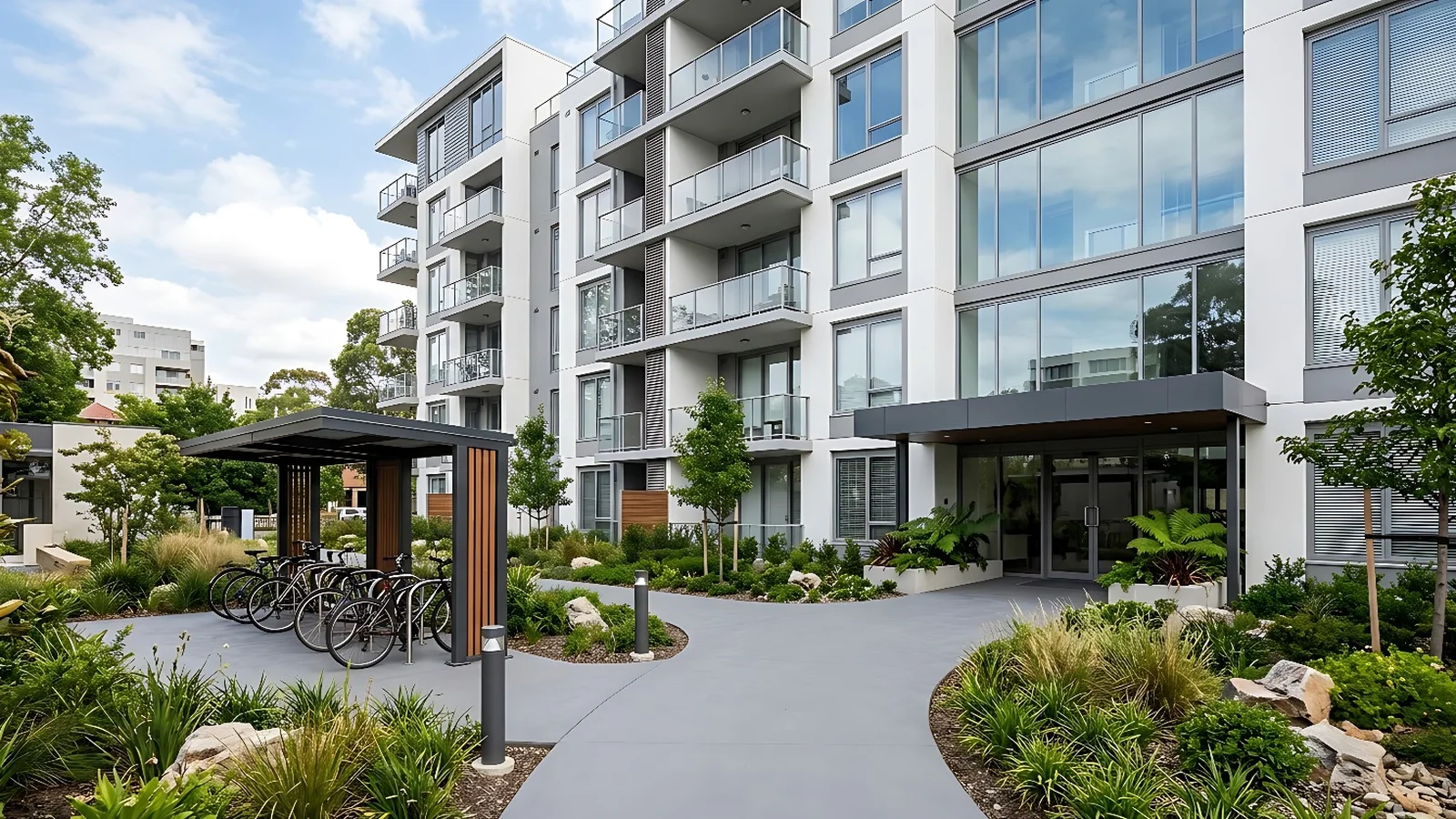
Automated retail is finding a home in apartment communities as micro markets, smart coolers and autonomous stores offer residents convenient access to everyday essentials. For property owners and vending operators, the growing market presents opportunities to enhance amenities, generate revenue and reach new customers.
October 23, 2026 by Richard Slawsky — Editor, Connect Media
 ChatGPT
 Grok
 Perplexity
 Claude
For apartment residents, convenience can mean the difference between a quick trip downstairs and an inconvenient drive to the grocery store. A forgotten ingredient, late-night snack or bottle of laundry detergent might require leaving the property, finding parking and waiting in line.
Increasingly, automated retail technology offers apartment owners a way to reduce those errands while creating a potentially profitable amenity.
Unattended micro markets, smart coolers and automated convenience stores are bringing retail directly into multifamily residential properties. These systems allow residents to purchase food, beverages and everyday necessities without visiting a staffed store.
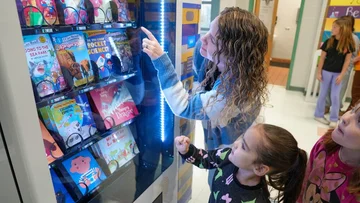
Depending on the technology, shoppers can select products from open shelves and pay at a self-checkout kiosk, unlock refrigerated cabinets using a payment card or enter an automated store that tracks purchases electronically.
For property owners and managers, the potential benefits extend beyond convenience. Automated retail can help differentiate a property, improve the resident experience, generate ancillary revenue and make productive use of underutilized space. For vending and micro market operators, apartment buildings offer access to a residential customer base whose purchasing habits differ from those of traditional workplace customers.
Convenience becomes a competitive advantage
Apartment owners have long competed on amenities such as swimming pools, fitness centers, clubhouses and outdoor gathering spaces. Automated retail introduces another possibility: an amenity residents can use throughout the day without requiring additional staffing.
"We believe multifamily residential communities represent the greatest growth opportunity for unattended retail," Matt Morrison, CEO of Altitude Amenities, said in an email interview. "Property owners are increasingly focused on amenities that improve resident satisfaction, differentiate their communities, and generate ancillary revenue without additional operational complexity."
Denver-based Altitude Amenities is a provider of fully managed, technology-enabled vending and automated retail solutions. Morrison said his company is seeing particularly strong growth in mid-rise and high-rise communities.
Apartment communities are already promoting micro markets as resident amenities. The Alexander Apartments in Alexandria, Virginia, advertises a 24-hour micro market alongside its fitness center, resident lounge and concierge services. Pinnacle Mountain View Apartments in Clearfield, Utah, highlights a self-service micro market in its clubhouse, offering residents convenient access to snacks and beverages without leaving the property.
Both examples show how operators are including automated retail in the amenities they market to prospective residents.
A well-stocked market can be particularly appealing to residents who work irregular hours, work from home, have limited transportation or prefer to avoid unnecessary shopping trips. Someone returning home after a late shift might purchase a prepared meal, while a parent could pick up milk or a snack without taking children to a store.
For operators, product selection is another key variable. Unlike office markets built around workday snacks and lunches, residential locations may need prepared meals, basic groceries, laundry supplies, personal care items and pet products. Sales patterns may also shift toward evenings and weekends, making transaction data useful for adjusting the assortment.
For property managers, the opportunity is to provide a service that residents can incorporate into their everyday lives rather than an amenity they use only occasionally.
Operator-reported results offer a closer look at how residents use the service. At Turntable Studios, managed by Zellis Residential, AI Vending reported a Micromart Smart Store reached 85% resident adoption and recorded 834 transactions during a measured 30-day period.
In each measured calendar month, 73% of customers made more than one purchase, according to the operator's case study.
Englewood, Colorado-based AI Vending designs, installs and manages smart stores, vending machines and micro markets for apartment communities, hotels, offices and other commercial properties.
At a downtown Denver community managed by Avenue5 Residential, AI Vending reported 60.7% resident adoption across two Micromart Smart Stores. The company said 25.9% of transactions occurred between 10 p.m. and 5 a.m., suggesting demand outside conventional retail hours.
Turning unused space into productive space
One potential advantage of automated retail is its ability to operate in spaces that might otherwise generate little value.
Apartment buildings frequently contain underutilized areas near lobbies, mailrooms, fitness centers and common lounges. Depending on the available footprint, those spaces can accommodate anything from a single smart cooler to a fully equipped micro market with refrigerated cases, shelving and self-checkout technology.
Unlike a conventional convenience store, an unattended market does not require a cashier or dedicated employee during operating hours.
In a September 2025 analysis, 365 Retail Markets outlined two principal operating approaches for multifamily properties: partnering with a third-party operator that installs and manages the market or having the property owner manage the equipment directly.
The first arrangement can minimize responsibilities for apartment management. An outside operator handles product selection, inventory replenishment, payment processing, maintenance and customer service.
Morrison said property owners may need to overcome lingering concerns about older vending formats.
"The biggest obstacle is often the negative perception of traditional vending, including unreliable equipment, poor product selection, and inconsistent service," he said. Altitude Amenities positions its offering as a fully managed alternative intended to minimize the work required of property managers.
Alternatively, owners who operate their own markets can retain more control over merchandise and potentially capture more retail revenue, although they also assume responsibility for operating expenses and losses.
Either model can make use of a relatively small footprint. A smart cooler might fit into an existing lobby alcove, while a larger community could dedicate a room to a more extensive retail assortment.
Creating an additional revenue stream
Automated retail also offers apartment owners an opportunity to generate ancillary income.
Under a revenue-sharing agreement, a property owner might receive a negotiated percentage of sales in exchange for providing space, electricity and access to residents. Other agreements may involve fixed rent, a licensing fee or no direct payment, with the market treated primarily as a resident amenity.
Morrison said Altitude Amenities eliminates upfront costs for property owners and offers revenue-sharing arrangements where appropriate. Those terms can make an installation more attractive to owners who want an additional amenity without taking on the full expense or day-to-day responsibility of running a retail operation.
The financial terms vary by property and operator. Before signing an agreement, owners should determine who pays for electricity, connectivity and equipment upkeep, whether any revenue share is calculated on gross or net sales, and who bears losses from theft or spoilage.
Operators, meanwhile, need enough repeat purchases to cover replenishment, service and inventory costs; no single apartment size or sales threshold guarantees profitability.
Smart technology expands the possibilities
Payment technology, inventory monitoring and computer vision can make unattended retail easier to manage in residential locations.
Traditional micro markets generally rely on customers scanning products and completing payment at a self-checkout terminal. Smart coolers may require payment authorization before unlocking, while some automated stores use cameras, sensors or artificial intelligence to identify selected products.
While conventional micro markets depend on customers scanning and paying for merchandise, controlled-access coolers and autonomous stores use different combinations of payment authorization, cameras and sensors to manage purchases and limit inventory losses.
Remote monitoring allows operators to identify popular products, track inventory levels and schedule replenishment. This is especially valuable when managing multiple apartment locations with different purchasing patterns.
"Our smart equipment provides remote monitoring, cashless payments, and transaction-level inventory data," Morrison said, adding that those capabilities help the company address equipment problems, adjust merchandise selection and improve restocking efficiency.
Urban Value Corner Store offers an example of an operator combining staffed and autonomous formats in apartment communities. At the 2026 NACS Show, founder Steve McKinley described a business with 14 locations, including nine staffed stores and five autonomous locations.
Some developers are incorporating automated retail into plans for new apartment buildings. In an Oct. 8, 2026, announcement, automated retail technology company VenHub said it planned to install an autonomous store at Penn Lofts, a new 59-unit apartment development in Bend, Oregon. The company presented the store as a way to distinguish the development and strengthen leasing appeal.
Security and operational considerations
Despite their advantages, unattended markets are not maintenance-free.
Open-shelf micro markets can be vulnerable to theft, particularly in buildings where visitors or delivery personnel can access common areas. Controlled-access coolers and automated stores may reduce certain risks, but they introduce equipment costs and technical dependencies.
Property owners and operators should establish clear responsibilities for inventory losses, equipment repairs, cleaning, payment disputes and customer complaints.
Food safety is another consideration. Refrigerated products require appropriate temperature monitoring, expiration-date management and timely replenishment. Operators must also comply with applicable food retail regulations and accessibility requirements.
Security cameras may help deter theft, but property managers should communicate their use clearly and establish appropriate privacy policies.
The location of the market also matters. Equipment should not obstruct exits, interfere with accessibility or create congestion in common areas.
Finally, residents need a straightforward way to obtain refunds or report problems. A market that is frequently out of stock or difficult to use could undermine the convenience it is intended to provide.
Measuring success
Before installing a market, property owners should evaluate whether their community has sufficient demand to support the proposed format. A smaller property may be better served by one or two smart coolers, while a larger complex could justify a broader assortment with refrigerated, frozen and shelf-stable products.
An initial resident survey can help identify purchasing preferences, expected frequency of use and acceptable pricing.
After installation, the operator and property manager should monitor transaction counts, average purchase value, product availability, shrinkage, service complaints and resident satisfaction.
A pilot program provides an opportunity to adjust the product mix before committing to a larger installation.
For apartment owners, automated retail offers a way to turn common areas into convenient shopping destinations while potentially generating additional income. For vending and micro market operators, multifamily housing represents an opportunity to reach customers whose purchasing patterns extend beyond the traditional workday. But success depends on more than placing equipment in a lobby: Product selection, reliable service, resident participation and a sustainable financial arrangement will determine whether or not the market becomes a lasting amenity.
What if your business could serve customers 24/7 — without adding another shift? Discover the kiosks, smart vending, micro-markets and automated retail solutions making that possible at the Automated Retail & Kiosk Innovation Show, Dec. 14-16 in Miami Beach.
About Richard Slawsky
In addition to writing, Slawsky serves as an adjunct professor of Communication at the University of Louisville and other local colleges. He holds both a Bachelor’s and a Master’s degree in Communication from the University of Louisville and is a member of Mensa and the National Communication Association.
Related Media
Subscribe
Get the latest news and resources from Vending Times.
Recent Posts