Vending
Modern vending's smart alternatives
Modern vending is expanding, bringing new opportunities for consumers, business owners, operators and investors alike. Successful operators are combining convenience with health-conscious selections and flexible business strategies.
May 12, 2026 by Dale Laszig — Founder, DSL Direct LLC
 ChatGPT
 Grok
Grok Perplexity
 Claude
Modern vending is expanding, bringing new opportunities for consumers, business owners, operators and investors alike. As the industry continues to evolve, successful operators are combining convenience with health-conscious selections and flexible business strategies.
Mark Lerner, founder of Franchise-Connector LLC, said vending can be a lucrative side hustle or full-time business.
"An operator who devotes one to two hours per machine per week can make this a successful business," he said. "It's always helpful to get to know business owners and building managers who have contacts in the local market where you can place additional machines."
Lerner added that cashless payments, loyalty programs, mobile apps and data-driven route management have improved performance, profitability and customer experience. Consumers with multiple ways to pay will often buy more items more frequently and at higher price points.
Alternative snacks
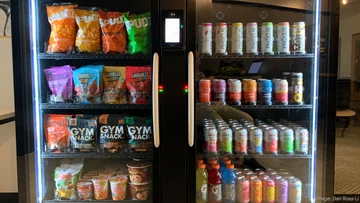
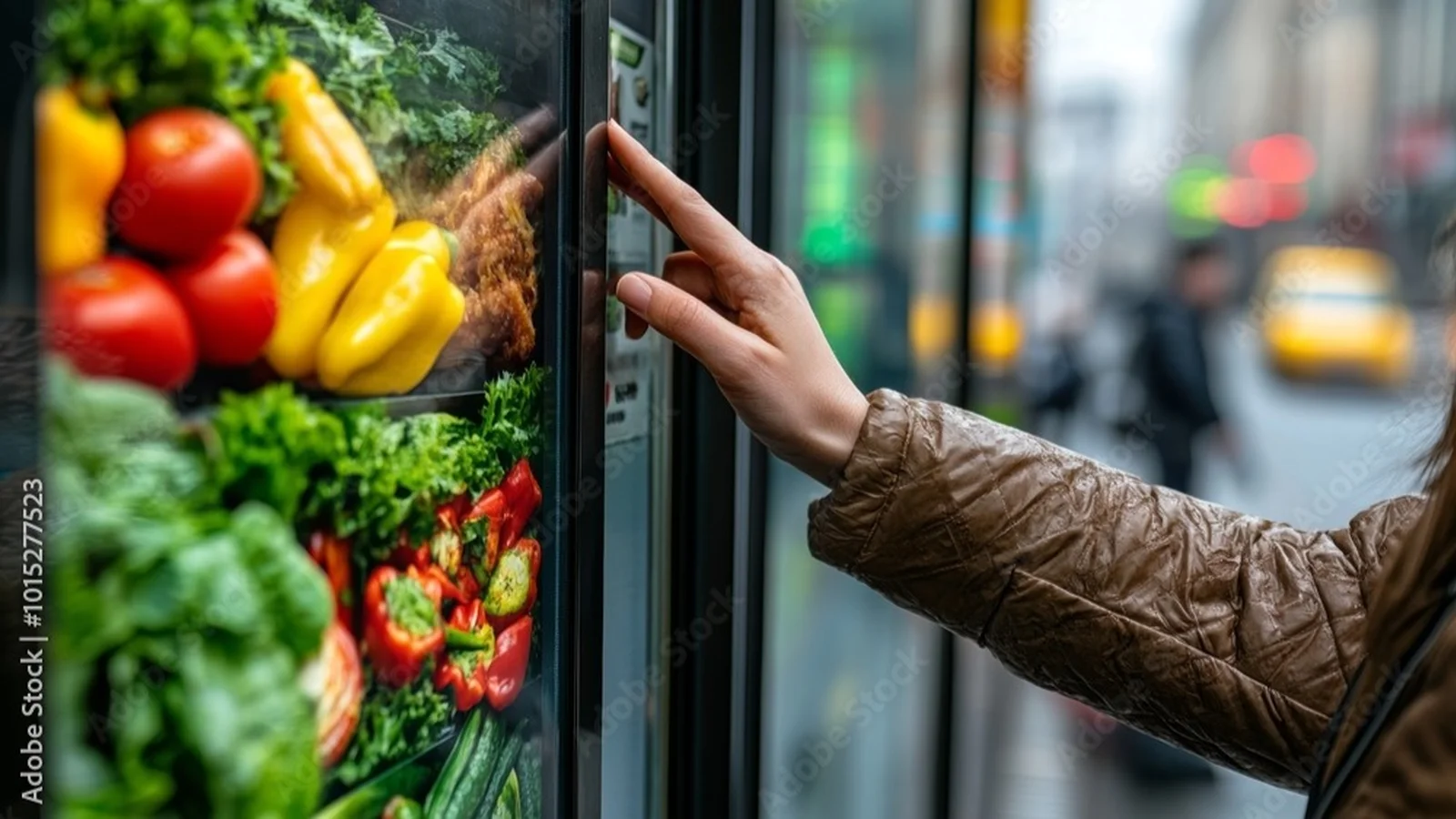
With growing demand for better-for-you snacks, consumers are finding more protein bars, trail mixes, low-sugar drinks, fresh foods and plant-based options at unattended retail locations. Salads, sandwiches, yogurt, fruit cups and other fresh items are becoming easier to find, thanks to smart coolers with real-time inventory monitoring, temperature tracking and vending management systems designed to reduce waste and maintain food safety standards.
Micro markets and hybrid locations with a mix of vending, coffee service and smart coolers are becoming more popular, particularly in workplace environments. These unattended venues help maximize break times with self-directed shopping experiences and expanded product choices.
Alternative choices
Kim Page, director of marketing at VendTech International, credits advanced technologies with accelerating the healthy vending movement.
"The term 'healthy vending' was born out of creating high-capacity combination machines with refrigeration in one section and regular temperature-controlled storage in other sections," she said. "That lent itself to fresher food and longer shelf-life products."
Page noted that while high-capacity combination machines are valued for their ability to provide healthier options, consumers still make the final purchasing decisions. Water and favorite snack products remain essential to a profitable vending business in most locations. The equipment's flexibility enables owner-operators to satisfy a wide range of consumer demands.
Alternative business models
Vending business models are also evolving, experts noted, offering more paths to business ownership. Equipment leasing, revenue-sharing partnerships and managed service agreements are becoming more common. Some operators are partnering with property managers, employers or local businesses to share costs and reduce upfront investment.
Some suppliers now provide equipment, software, product sourcing and operational support through subscription or partnership models, lowering barriers to entry. Franchise-style opportunities and turnkey vending programs are also attracting entrepreneurs to the industry.
Room to grow
The combination of healthier snack alternatives and new operating models is reshaping unattended retail into an adaptable, diversified industry.
Naturals2Go, a VendTech International brand, offers an all-in-one business model for independent contractors that includes high-end equipment, corporate training, service and support. The model works for both first-time and experienced entrepreneurs willing to invest a few hours each week to launch and grow a business, according to the company's website.
Lerner, who consults with Naturals2Go, agreed, stating that the company offers independent operators a lucrative opportunity without royalties, franchise fees, which can range from $20,000 to $50,000, or lengthy, 23-item franchise disclosure documents.
Location, job security
"People who want to keep their day jobs can open a business and grow it in the future," Lerner said. "It's also good for people who aren't comfortable with door-to-door selling. The investment includes business development, while an operator's responsibility is to service and maintain the machines."
When asked about security, Lerner said the smart machines are typically placed in well-lit indoor locations, carry little cash and can be restocked during normal business hours. Operators can stock them with junk food, healthy snacks or a combination of both, depending on the location and customer base.
"This isn't a franchise; it's a business opportunity," Lerner said. "The ROI is generally three years, which is very quick for a part-time, semi-absentee business."
About Dale Laszig

Related Media
Subscribe
Get the latest news and resources from Vending Times.
Recent Posts