Automated Retail & Kiosk Innovation Show
Poor kiosk installation, maintenance can turn self-service investments into costly liabilities
At the 2026 ARKI Show, industry experts will discuss how proper deployment, preventive maintenance and standardized service procedures can reduce downtime, control costs and improve long-term returns on self-service investments
October 22, 2026 by Richard Slawsky — Editor, Connect Media
 ChatGPT
 Grok
 Perplexity
 Claude
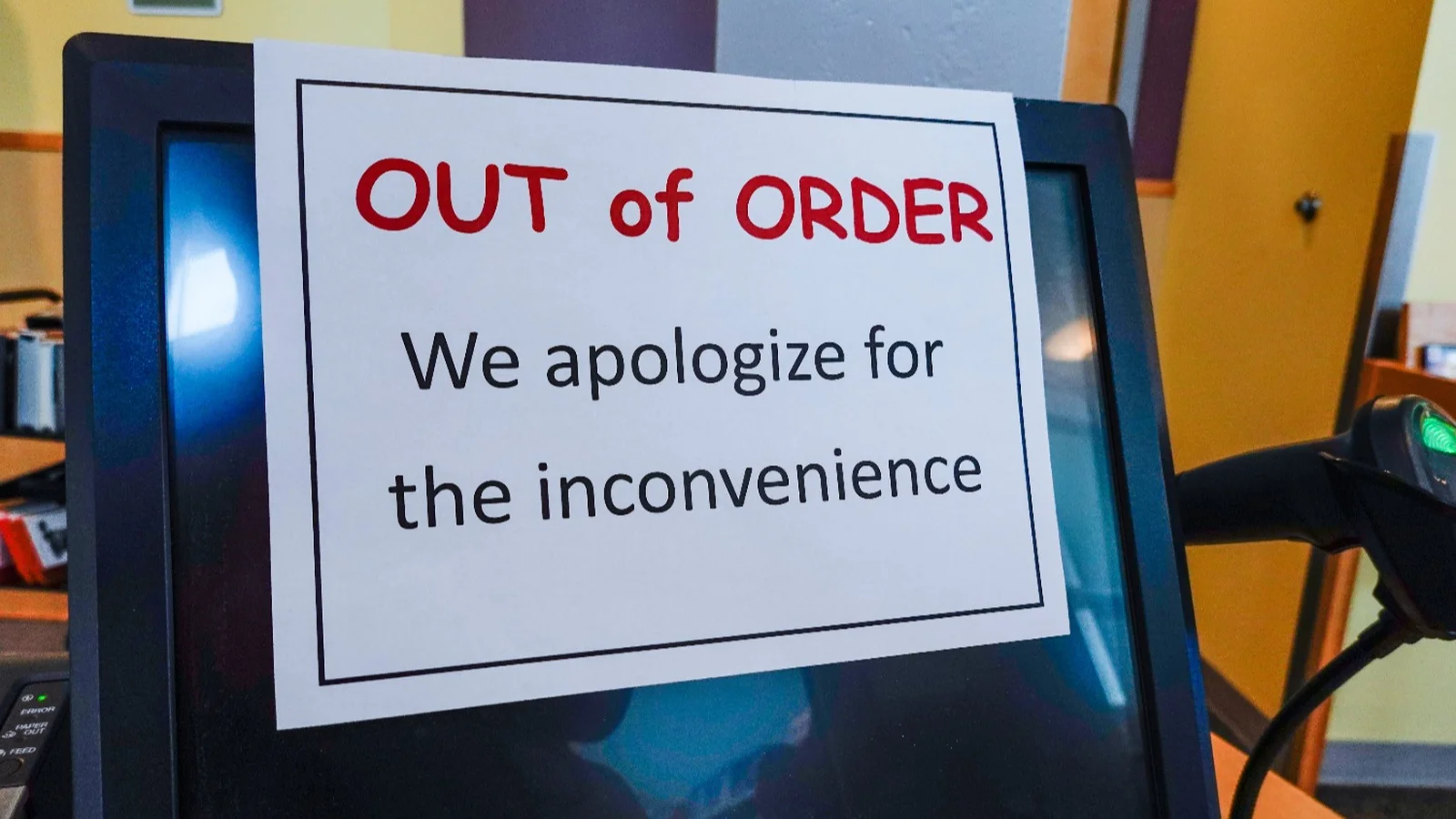
For businesses investing in self-service technology, the cost of a kiosk extends well beyond its purchase price. Improper installation, inadequate maintenance and inconsistent field service can undermine even the most sophisticated systems, resulting in lost revenue, frustrated customers and expensive repairs.
As kiosks become increasingly common in restaurants, airports, retail stores and other public venues, operators face a challenge that often receives less attention than the technology itself: keeping equipment working reliably throughout its useful life.
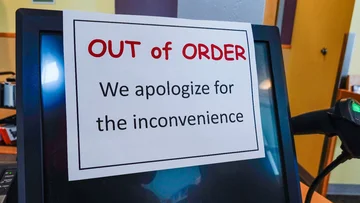
A kiosk that is unavailable during peak business hours cannot generate revenue or deliver the convenience customers expect. Repeated failures can also erode confidence in self-service, encouraging customers to return to staffed counters or take their business elsewhere.
The financial consequences extend beyond individual transactions. Service calls, replacement components, technician travel and employee intervention can substantially increase the total cost of ownership.
These questions, and others, will be the topic of a panel discussion titled "Install It Right or Pay for It Later: The Hidden Risk of Poor Kiosk Lifecycle Management." The session is scheduled for Tuesday, Dec. 15, at 1:30 p.m. during the 2026 Automated Retail & Kiosk Innovation Show, being held Dec. 14-16 in Miami Beach, Florida.
Participants will include Miles Power, president, Bibbeo Ltd.; Chris Adamson, chief commercial officer of Burroughs Inc. and Blake Boeckel, technology manager at honeygrow.
Ray Friedrich, CEO of East Street Business Advisors, will moderate the session, which is sponsored by Burroughs Inc.
Installation mistakes create lasting problems
The broader importance of technology reliability is reflected in research from Uptime Institute. Its 2026 Annual Outage Analysis found 57% of respondents to its 2025 survey said their most recent major outage cost more than $100,000, while 20% reported costs exceeding $1 million.
Those figures concern data center and IT infrastructure outages, not individual kiosk failures. Nevertheless, the research illustrates the financial exposure associated with technology disruptions and the importance of preventive measures.
Some of the most expensive kiosk problems begin before the equipment processes its first transaction.
Miles Power said in an email interview that selecting an installation provider primarily on price can create costly problems later. His company Bibbeo Ltd. specializes in equipment installation and lifecycle management
"One of the biggest mistakes is choosing an installation provider based on price alone," Power said. "Improper anchoring, wiring or setup can create problems that last for the life of the unit."
The problems are not always immediately apparent. Power said his company encounters incorrect software configurations, improperly recorded setup information and machines configured for the wrong currency. Other issues include unsuitable mounting hardware and installations that fail to account for Americans with Disabilities Act requirements.
"We regularly see incorrect software configurations, setup data that was never saved or was recorded incorrectly, and Canadian units configured for U.S. dollars or vice versa," he said.
These errors can require additional technician visits, interrupt operations and expose businesses to accessibility or compliance concerns.
Bibbeo performs more than 100,000 equipment installations annually, according to Power, giving the company firsthand experience with problems that can emerge when deployment procedures are inconsistent. For operators, the lesson is that installation should be treated as an essential part of the investment rather than a final logistical step.
Why preventive maintenance matters
Even properly installed kiosks require ongoing attention.
Touchscreens, payment terminals, printers, scanners and network connections can deteriorate or malfunction. Software updates and security patches introduce additional maintenance requirements.
A failed receipt printer might not shut down every transaction, but an inoperable payment terminal could make a kiosk unusable. A network interruption could affect multiple machines simultaneously.
Preventive maintenance programs can help identify developing problems before they result in extended downtime. Routine inspections, remote monitoring, software updates and replacement-part planning should therefore be incorporated into an operator's service strategy.
The Uptime Institute's 2026 analysis also identified failures to follow established procedures as a leading contributor to human error-related outages in digital infrastructure. Installation mistakes and inconsistent procedures were among the concerns highlighted.
Although that research examines larger IT systems, the underlying management issue applies to kiosk networks: Reliable technology depends on repeatable processes as well as functioning equipment.
Operators should establish clear responsibilities for monitoring performance, responding to faults and coordinating repairs. Without those procedures, even minor problems can remain unresolved longer than necessary.
Scaling creates additional challenges
Managing a handful of kiosks is substantially different from supporting hundreds or thousands distributed across multiple locations.
A small deployment may rely on one employee who understands the equipment, its configuration and the history of previous repairs.
That approach becomes increasingly difficult as the network expands.
"Document everything and make that knowledge available across the entire installation and service team," Power said.
"Someone may be able to personally manage the first 10 installations, but what happens at the 500th or 1,000th?"
He recommends standardized installation procedures, accurate configuration records and systems that allow technicians in different markets to share information.
Consistent documentation can also help identify recurring problems, reduce repeat service visits and shorten repair times.
For nationwide operators, those efficiencies can have a significant cumulative effect. A recurring problem that costs relatively little at one location can become expensive when multiplied across an entire network.
The objective is to move from reacting to individual failures toward managing equipment performance systematically.
Measuring the real return on investment
The growth of unattended retail makes equipment reliability increasingly important.
The NAMA Foundation's 2024-25 State of Convenience Services census, developed with Technomic, estimated U.S. convenience services revenue at $31.1 billion in 2025, up from $26.6 billion in 2023. The market includes vending, micro markets, office coffee and pantry services.
As operators expand technology-enabled services, equipment availability becomes a central factor in protecting that revenue.
Evaluating a kiosk investment should therefore involve more than comparing hardware prices and projected labor savings. Operators should consider installation expenses, maintenance contracts, expected downtime, repair response times and the availability of replacement parts.
They should also track performance measures such as equipment uptime, repeat service calls and the percentage of problems resolved during the first technician visit. These measures provide a more complete picture of whether the equipment is delivering its intended value.
A less expensive kiosk that requires frequent repairs may ultimately cost more than a higher-priced system supported by reliable installation and maintenance services. For operators, the central question is not simply whether a kiosk works when it is installed, but whether it continues to deliver reliable service throughout its operating life.
Self-service is no longer just about convenience. It’s becoming a powerful way to increase sales, reduce costs and reach customers in new places — and you can see what’s next at the Automated Retail & Kiosk Innovation Show, Dec. 14-16 in Miami Beach.
Upcoming Events
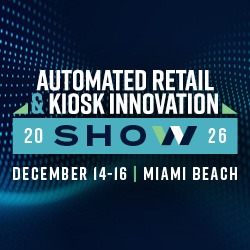
Automated Retail & Kiosk Innovation Show
December 14-16, 2026 | Miami Beach, FL
Explore the latest breakthroughs in automated retail, interactive kiosks, and unattended technology — and unlock new ways to serve customers and grow revenue.
View AgendaRegister NowAbout Richard Slawsky
In addition to writing, Slawsky serves as an adjunct professor of Communication at the University of Louisville and other local colleges. He holds both a Bachelor’s and a Master’s degree in Communication from the University of Louisville and is a member of Mensa and the National Communication Association.
Related Media
Subscribe
Get the latest news and resources from Vending Times.
Recent Posts