Payments
Why mobile payments have become essential for modern vending operations
The vending industry has undergone a major transformation over the past decade, evolving from a primarily cash-driven business into a technology-enabled channel centered on seamless transactions, real-time data and consumer convenience. At the center of that shift is mobile and cashless payment technology.
May 15, 2026 by Richard Slawsky — Editor, Connect Media
 ChatGPT
 Grok
Grok Perplexity
 Claude
Chances are many of us have experienced this scenario: we're in a downtown office building, on a college campus or at an interstate rest stop and we're looking for a snack. There is a row of vending machines to meet our needs, but they only accept cash. Unfortunately, we don't have enough in our wallets to make a purchase.
That's all changing. The vending industry has obviously undergone a major transformation over the past decade, evolving from a primarily cash-driven business into a technology-enabled convenience retail channel centered on seamless transactions, real-time data and consumer convenience.
At the center of that shift is mobile and cashless payment technology. Cash-only vending machines are rapidly becoming relics in a consumer economy dominated by tap-to-pay transactions.
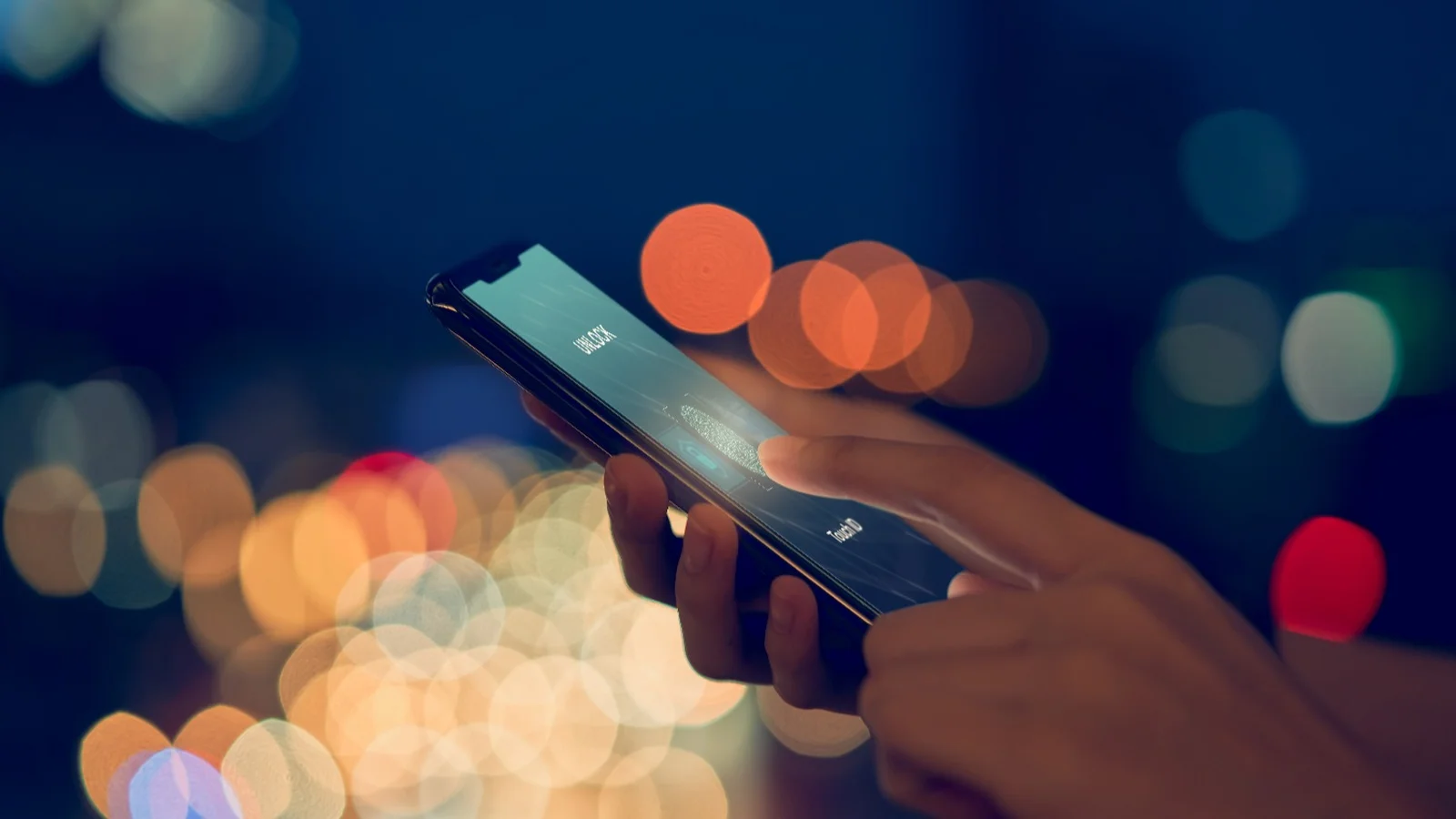
What was once considered an optional upgrade has increasingly become a baseline requirement for vending operators hoping to remain competitive. Consumers now expect to pay with smartphones, smartwatches, tap-to-pay credit cards and mobile wallet platforms such as Apple Pay and Google Pay.
Operators that fail to offer those payment options risk losing sales, reducing customer satisfaction and limiting placement opportunities in modern workplaces, hospitals, airports and universities.
"Mobile payments help operators meet consumers exactly where they are, both in terms of expectations and daily habits," Chris Waite, product manager with Crane Convenience, a division of Crane Payment Innovations, said in an email interview. "As contactless behaviors accelerated during the COVID-19 pandemic and younger, digitally native consumers have become a larger share of the market, mobile payment adoption has surged."
Boosting the bottom line
Contactless payments are quickly emerging as the dominant way consumers pay for purchases. According to data compiled by Visa Inc., in the second quarter of 2025, more than 60% of the company's face-to-face payment transactions were contactless, up from just 1% in 2017.
That trend is even more pronounced for vending operators. According to Cantaloupe's 2025 Micropayment Trends Report, 71% of vending machine transactions were cashless in 2024, and 77% of those were contactless. Additionally, the share of transactions conducted by phone or smartwatch was up 300% compared with the previous year.
"For vending machines, where purchases are often driven by speed and convenience, the expectation is simple: tap to pay and go," the company wrote in a blog discussing the study. "When that experience is interrupted by the need for cash or a swipe, customers are far more likely to abandon the purchase entirely. And once they do, they may not come back."
The most immediate benefit of mobile payment capability is increased sales. Cantaloupe's report found that the average ticket size for a cashless vending purchase was $2.24, a 37% increase compared with $1.78 for a cash transaction.
The reason is simple, Cantaloupe said. Removing friction from the transaction thanks to tap-to-pay encourages more spontaneous purchases. Consumers simply spend more freely when they are not constrained by the amount of cash in their pockets.
That effect becomes even more important as product prices rise. Inflation has steadily pushed the cost of beverages, snacks and fresh food higher, making it increasingly difficult for consumers carrying only loose change or small bills to complete purchases.
Mobile payments eliminate that barrier by allowing users to make purchases instantly without thinking about denominations, coins or exact change.
Opening the door to increased use
The shift toward mobile payments accelerated dramatically during the COVID-19 pandemic, when contactless transactions became associated with speed, convenience and hygiene. Consumers grew accustomed to tap-to-pay systems across retail, quick-service restaurants and grocery stores, and they now expect the same convenience from vending and unattended retail systems.
Cashless systems also significantly increase transaction frequency. In many environments, particularly offices, hospitals and college campuses, consumers increasingly carry little or no cash at all.
"By layering mobile options alongside cash and traditional card acceptance, operators expand their addressable customer base rather than limiting it," said Daniel Saitta, payment processing solutions manager with Crane Convenience. "When consumers can pay the way they prefer, transactions increase and missed sales due to lack of exact change or payment friction are reduced."
Younger demographics in particular often rely almost entirely on mobile wallets and debit cards. Adults 24 and younger use their phones to make 45% of their purchases, according to a 2025 Federal Reserve report. A vending machine that only accepts cash may effectively become invisible to a large percentage of potential customers.
For operators, the benefits extend far beyond revenue growth. Mobile payment systems generate large amounts of valuable operational data that traditional vending machines simply cannot provide. Modern payment readers connected through telemetry systems allow operators to monitor sales in real time, track inventory levels, analyze purchasing trends and identify underperforming products or locations.
"The most overlooked benefit of mobile payment adoption isn't customer convenience — it's the downstream data quality it creates across enterprise systems," Harish Nair, a project manager who has led enterprise payment system integrations for several Fortune 500 organizations, said in an email interview.
"When mobile payments connect properly to ERP systems, three things happen immediately," he said. "Tax calculations become automated and accurate, revenue recognition accelerates and audit trails become system-generated rather than manually maintained."
Mobile payment systems also reduce several operational problems associated with cash handling. Traditional vending machines require regular collection of bills and coins, creating labor demands and increasing exposure to theft and vandalism. Bill acceptors and coin mechanisms are also among the most maintenance-intensive components in vending equipment.
Cashless systems reduce those risks substantially. Operators handling less cash face fewer accounting discrepancies, lower theft exposure and fewer mechanical failures related to coin jams or damaged bills. In many cases, machines equipped with mobile payment systems also experience shorter downtime because operators receive automated alerts when issues occur.
Building loyalty
Another major advantage is the ability to implement loyalty and promotional programs. Modern vending payment systems increasingly support digital rewards, discounts and customer engagement tools. Operators can offer promotions tied to repeat purchases, mobile apps or campus-specific incentive programs.
That capability is particularly important as vending increasingly overlaps with micro markets and broader unattended retail environments. Consumers now expect experiences similar to those offered by major retailers and restaurant chains, including digital receipts, rewards programs and personalized promotions.
"Many consumers are already accustomed to participating in loyalty programs through their mobile devices," Waite said. "Mobile payments create a natural bridge to loyalty and engagement."
Mobile payment capability can also strengthen placement opportunities. Office buildings, universities, airports and hospitals increasingly prefer machines that support tap-to-pay and mobile wallet transactions because they align with broader consumer technology expectations.
College campuses, for example, often rely heavily on student ID integration, mobile wallets and digital purchasing systems. The 2026 Student Financial Experience Report, commissioned by global payments company Touchnet, found that 67% of college students prefer mobile phones for managing personal financial information and completing everyday purchases, and half already use digital student IDs.
Hospitals and airports similarly prioritize mobile and contactless transactions because of the speed and convenience they provide to employees, visitors and travelers.
Fresh food and premium vending categories particularly benefit from cashless technology. Consumers purchasing higher-priced items such as salads, sandwiches, protein drinks or hot meals are much more likely to use cards or mobile wallets than cash. Operators attempting to expand into fresh food, smart coolers or automated meal systems often view mobile payment capability as essential infrastructure rather than an optional feature.
Retrofitting legacy machines becoming easier
At the same time, the economics of payment technology have improved substantially. Earlier generations of cashless readers often involved expensive hardware, complicated installation processes and high transaction fees. Today's systems are generally more reliable, easier to retrofit and capable of integrating with older vending machines.
"Our platforms, including devices like the 4-in-1 solution and integrated cashless systems, are built to work across a wide range of machine types, from newer models to legacy equipment," Siatta said. "This allows operators to modernize their payment capabilities without needing to fully replace existing assets, reducing upfront investment and accelerating time to value."
That has lowered the barrier to adoption for smaller independent operators. Many route operators that once viewed cashless systems as too expensive now see them as necessary for long-term competitiveness. In some cases, the revenue increase from cashless capability can offset installation costs relatively quickly.
Still, challenges remain. Transaction processing fees continue to concern some operators, particularly on lower-priced purchases where margins are already tight. Connectivity issues can also affect machine performance in certain locations. In addition, some municipalities and states currently have or are considering cash acceptance requirements that may limit fully cashless deployments.
Despite those challenges, the long-term direction of the industry appears clear. Mobile and contactless payments are rapidly becoming the standard for unattended retail transactions. For many operators, the question is no longer whether to add mobile payments, but how quickly they can deploy them across their routes.
About Richard Slawsky
In addition to writing, Slawsky serves as an adjunct professor of Communication at the University of Louisville and other local colleges. He holds both a Bachelor’s and a Master’s degree in Communication from the University of Louisville and is a member of Mensa and the National Communication Association.
Related Media
Featured Vendor

Stern Pinball, Inc. is a global lifestyle brand based on the iconic and outrageously fun modern American game of pinball
Subscribe
Get the latest news and resources from Vending Times.
Recent Posts