Foodservice
Office comeback? What return-to-work means for vending sales
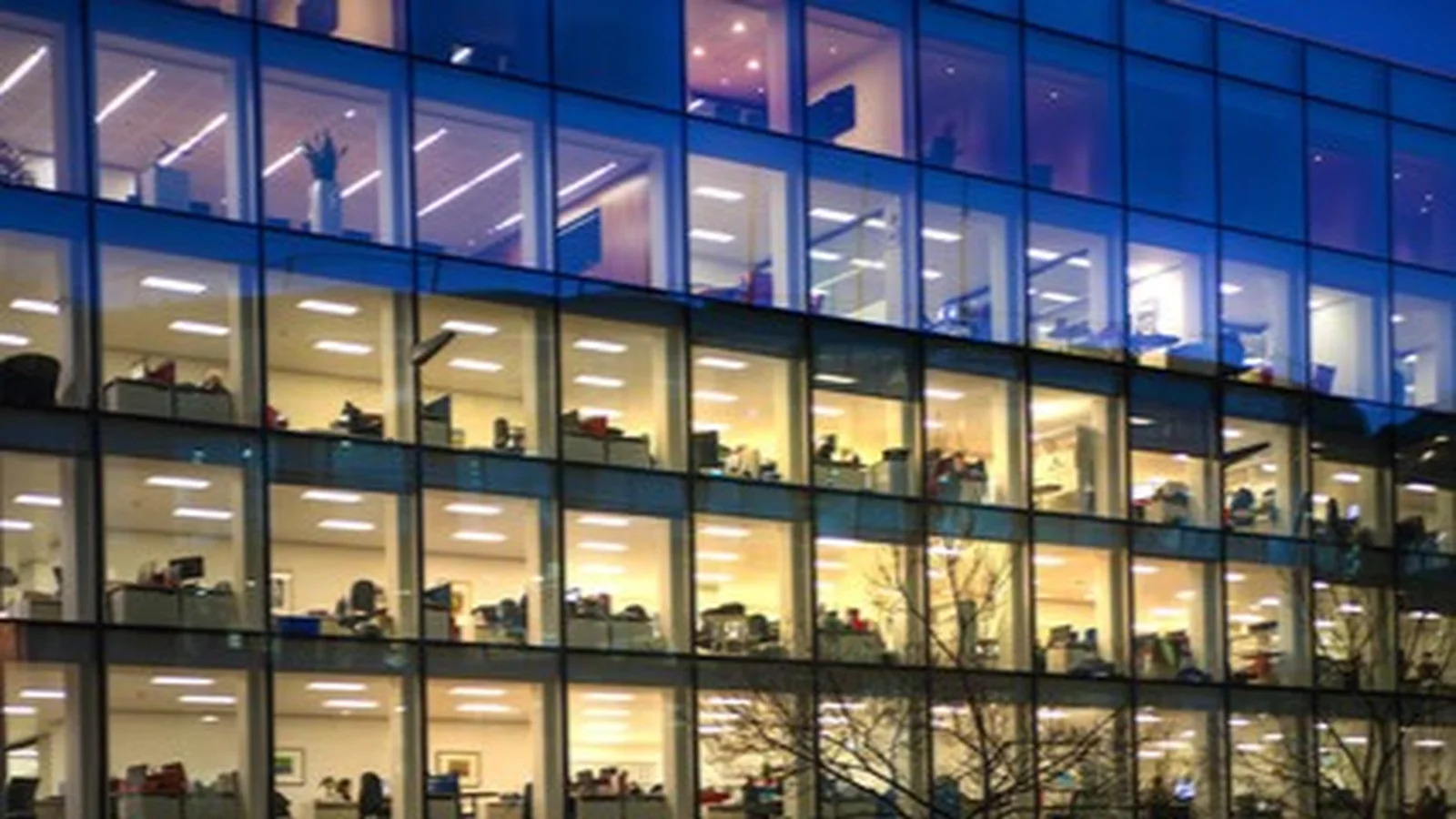
The return to office work is helping the vending industry recover from the steep losses it suffered during the pandemic, but the rebound remains uneven. Ongoing challenges including rising costs and unpredictable workplace patterns mean operators must adapt to a more variable environment rather than expect a full return to pre-pandemic norms.
April 24, 2026 by Richard Slawsky — Editor, Connect Media
 ChatGPT
 Grok
Grok Perplexity
 Claude
The COVID-19 pandemic had far-reaching effects on the U.S. economy. Many restaurants and retail shops shut down, and those that did remain open implemented strict social distancing rules. Nearly everyone who could do their jobs remotely began working from home.
Although remote work was popular among employees, its effects on businesses weren't so well-received. Commercial real estate suffered as businesses let go of unused space. Without in-person interaction, many employees reported reduced connection to colleagues and to the company culture, which, in turn, affected engagement and knowledge sharing. While some workers were more efficient at home, others struggled with distractions, inadequate workspace setups and blurred lines between work and personal life.
And without staff coming to the office, verticals such as foodservice, transit and, notably, vending operations suffered. Some operators went under, while many of those who remained took a major hit to the bottom line.
Now that the pandemic is largely in the rear-view mirror, there's hope that vending operations will recover.
Office mandates helping, but impact is varied
There's no doubt that vending and similar convenience services were hard-hit by office shutdowns. According to the 2020 Industry Census Report, developed by the National Automatic Merchandising Association in partnership with research firm Technomic, overall vending revenue fell by 32.5% to $12.5 billion in 2020 from $18.5 billion in 2018. Micro markets were largely spared, falling only 5% during the period to $1.1 billion in 2020.
At the same time, the number of vending operators fell by 5% to 11,850, according to the Census Report, while the number of machines in service fell by nearly 21% to 3,140,250.
Of course, much of those declines were due to few, if any, company workers using the breakroom vending machines.
As companies seek to mitigate the downsides of a fully remote staff, many are requiring employees to return to the office. Still, that hasn't come without pushback. According to the entrepreneurial publication Founder Reports, only 27% of companies have returned to a fully in-person model, while 67% offer some level of hybrid work, with time split between home and corporate offices.
Not surprisingly, workplace data show a pronounced midweek concentration in office attendance, with Tuesday through Thursday consistently the busiest days, while Mondays and Fridays lag significantly.
Statistics from VergeSense's Workplace Occupancy Index show Monday attendance can be 30% to 40% lower than midweek levels, with Friday often the least attended day.
This uneven distribution is creating new challenges for route planning, inventory management and product mix. Machines that once relied on steady five-day demand must now perform in shorter, more concentrated windows.
The partial return of office workers has also altered purchasing behavior. Employees who commute fewer days per week often bring food from home or opt for fewer discretionary purchases while onsite. At the same time, those who do return to the office may be more inclined to spend on premium or convenience-oriented items.
Statistics are hard to come by, but in a 2023 "State of Hybrid Work" report compiled by Owl Labs, workers reported spending $51 every day when coming to the office, $36 more than if they were working from home. Of that, they spend $13 on breakfast and coffee and $16 on lunch, with parking and commuting costs making up the rest.
This dynamic is contributing to a subtle but important shift in product mix. Operators report stronger performance in categories such as energy drinks, ready-to-drink coffee and protein snacks, which align with shorter, productivity-focused office visits. Traditional categories like carbonated soft drinks and standard candy items remain relevant but are no longer the sole drivers of volume in many locations.
Additionally, hybrid work has also affected daypart performance. Morning and early afternoons are the most popular times for workers to be in the office, according to VergeSense, but cubicles are clearing out in the late afternoon and evening. Without a full day of occupancy, fewer employees are staying late, reducing opportunities for additional purchases. For operators, this reinforces the need to align product offerings with peak usage periods rather than assuming all-day demand.
Cashless payment adoption continues to play a central role in office vending recovery as well. With fewer employees carrying cash and a growing preference for contactless transactions, machines equipped with card readers and mobile payment options are better positioned to capture sales. Research conducted by technology firm Cantaloupe found cashless payments accounted for 71% of all vending machine sales in 2024, up 17% from the previous year. Additionally, those paying with a card spend significantly more, with cashless vending transactions in 2024 averaging $2.24 compared with $1.78 for cash tickets; a 37% difference.
Outlook rosy, but challenges remain
If workers have any say in the matter, the hybrid office model will likely be with us for the long term. A recent Gallup poll found six in 10 employees with remote-capable jobs want a hybrid work arrangement, with less than 10% preferring to work on-site for the entire week.
Still, operators are finding ways to cope. Numbers vary, but one report estimates U.S. vending sales topped $23.2 billion in 2025 and will reach $25 billion this year. That's a healthy rebound from 2020's $12.5 billion.
Further out, that same report predicts U.S. vending sales to increase to $26.8 billion in 2027. That momentum is expected to remain in place for the next several years, with sales reaching $28.9 billion in 2028 and $33 billion by 2030.
One factor helping drive those growth projections is the fact that companies that have downsized or shifted to flexible layouts want employees to stay onsite during the days they're at the office but still need food and beverage access for staff. In these cases, vending machines are proving to be a cost-effective solution, especially those that offer hot food or healthy options.
At the same time, though, rising operating costs are putting pressure on margins. Higher wholesale product prices, increased labor expenses and ongoing credit card processing fees are forcing operators to adjust pricing strategies. In office settings, where price sensitivity can vary widely, finding the right balance between profitability and consumer acceptance remains a critical challenge.
The most successful operators are adapting by taking a more data-driven approach to their business. Remote monitoring systems and sales analytics tools are being used to track usage patterns, optimize product selection and adjust service schedules in real time. This level of flexibility is becoming essential in an environment where demand can shift not just by location, but by day of the week.
Looking ahead, the trajectory of office vending sales will depend largely on how workplace policies continue to evolve. For vending operators, this means planning for variability rather than a full return to pre-pandemic norms.
About Richard Slawsky
In addition to writing, Slawsky serves as an adjunct professor of Communication at the University of Louisville and other local colleges. He holds both a Bachelor’s and a Master’s degree in Communication from the University of Louisville and is a member of Mensa and the National Communication Association.
Related Media
Subscribe
Get the latest news and resources from Vending Times.
Recent Posts