Vending
The fresh food frontier, part 2: Fresh vs. frozen is an operating decision
Once an operator decides to offer meals through automated retail, another question appears quickly: Fresh or frozen?
August 28, 2026 by Ben Wheeler — Dir. of Business Dev. - Automated Retail, T-ROC
 ChatGPT
 Grok
Grok Perplexity
 Claude
Once an operator decides to offer meals through automated retail, another question appears quickly:
Fresh or frozen?
It sounds like a food question.
It is really an operating-model question.
Both formats can work. Both solve different problems. And the best decision depends on the customer, location, menu, supply chain, service frequency, equipment, and economics.
Why frozen food appeals to operators
Frozen inventory gives operators one major advantage: time.
Longer product life can reduce the pressure created by daily demand swings. Operators may have more flexibility around replenishment frequency, inventory planning, and product removal.
That can be valuable in locations where demand is difficult to predict.
It may also make sense in environments with:
- Overnight traffic
- Limited field-service frequency
- Lower transaction volume
- Longer distances between locations
- Demand for hot meals outside traditional foodservice hours
The trade-off is customer experience.
The quality of the final product depends heavily on the food itself and the heating technology being used.
A good frozen product prepared properly can deliver a strong experience.
A poor combination of product and heating technology will make the customer remember that they bought dinner from a machine.
That distinction matters.
Fresh food creates a different opportunity
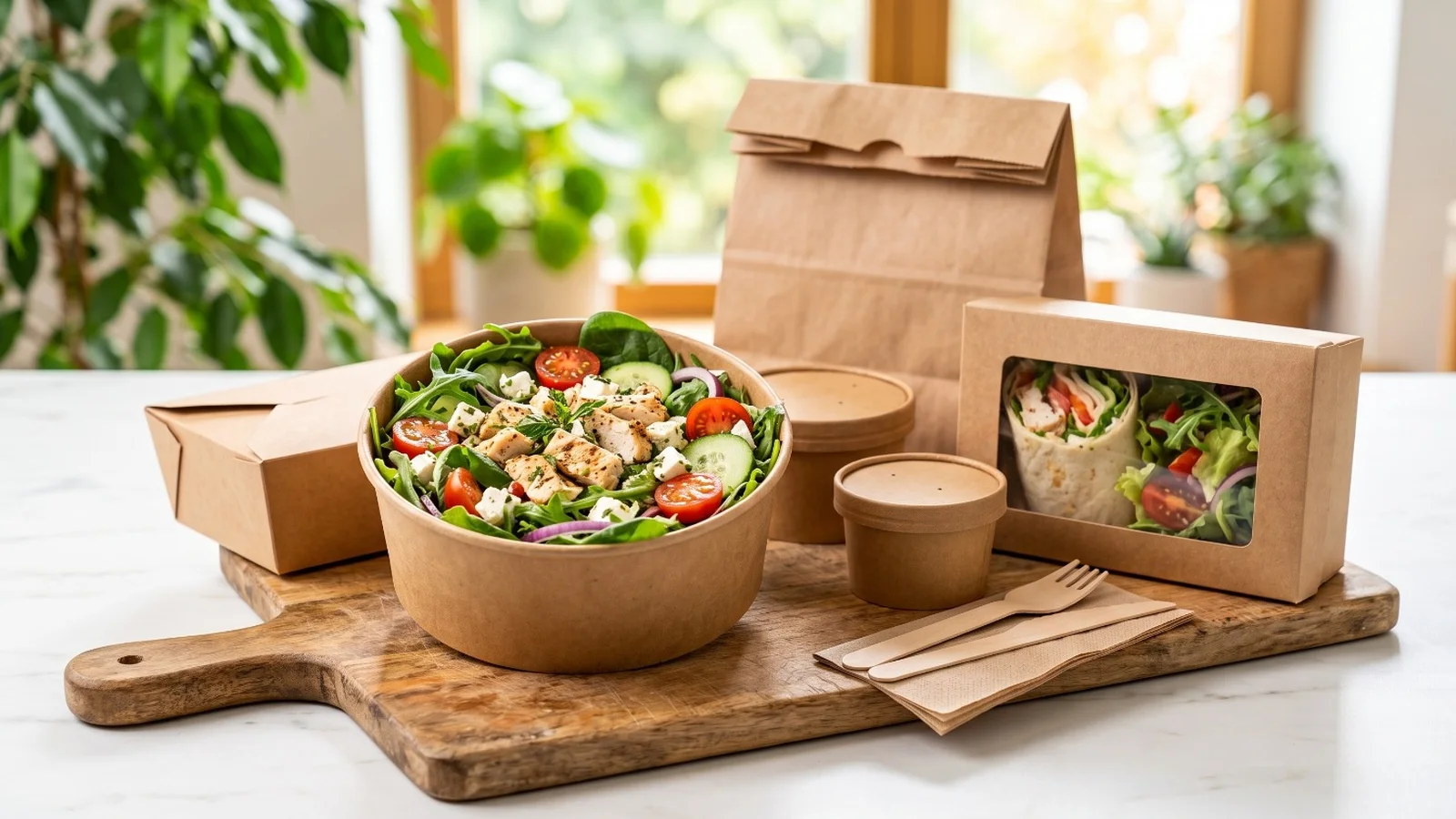
Fresh food can make automated retail feel less like vending and more like an unattended convenience or foodservice destination.
Salads, sandwiches, wraps, bowls, fruit, snacks, and other refrigerated meals can broaden the reason customers visit the location.
That may increase the usefulness of the program, especially in workplaces, healthcare environments, campuses, and other locations where customers want a meal rather than a snack.
Fresh food also puts far more pressure on execution.
Operators have to manage:
- Product dating
- Cold-chain continuity
- Demand forecasting
- Rotation
- Replenishment
- Waste
- Product availability
- Food safety
- Inventory accuracy
The machine may be automated.
The food operation is not.
Waste is part of the business model
One of the hardest parts of fresh-food retail is balancing availability against waste.
Put too little product in the unit and customers encounter empty shelves.
Put too much in and unsold meals eventually have to be removed.
That creates a constant forecasting problem.
How much should go into each location?
Which SKUs move fastest?
Does Monday behave differently from Friday?
Does the night shift buy differently from the day shift?
Does demand fall before a holiday?
What happens when weather changes attendance?
The more locations an operator manages, the harder those questions become to answer manually.
That is where automated retail data becomes useful.
Assortment should be location-specific
Another mistake is assuming the same menu should go everywhere.
A distribution center with a large overnight workforce may have strong demand for filling meals at 2 a.m.
A downtown office may see most demand between 11:30 a.m. and 2 p.m.
A hospital may have traffic around the clock.
A residential location may see activity during evenings and weekends.
Those patterns should influence assortment.
They should also influence whether fresh, frozen, or a combination makes sense.
The technology should allow the menu to follow customer behavior rather than forcing every location into the same template.
Fresh and frozen do not have to compete
There is another option operators should consider:
Use both.
A location could offer fresh meals for predictable daytime demand while keeping frozen or longer-life options available for late-night traffic.
The two categories can solve different customer needs.
That hybrid approach can also help operators manage risk while learning what the location actually buys.
This is one reason I am cautious whenever the industry frames an automated retail decision as one technology versus another.
Often, the stronger answer is a combination.
Field operations determine food quality
Regardless of the menu, the customer judges the experience by what comes out of the machine.
That means field execution remains essential.
Teams must make sure:
- Product is transported correctly
- Refrigerated items stay within required conditions
- Inventory is rotated
- Expired product is removed
- Equipment is clean
- Heating components function properly
- Labels and product information are accurate
- Inventory records match what is physically available
Automated retail can make purchasing easier.
It cannot compensate for poor food handling.
The right question
Operators sometimes ask me whether fresh food is "better" than frozen.
I do not think that is the most useful question.
Ask instead:
What experience are we trying to deliver, and what operating model can support it consistently?
If the customer wants premium fresh meals and the program has the supply chain and field infrastructure to support them, fresh can be very compelling.
If the location needs longer-life inventory and around-the-clock hot-food access with less frequent replenishment, frozen may make more sense.
If demand changes throughout the day, a mixed program may be better.
Start with the customer.
Then work backward into the food, equipment, and service model.
In Part 3, I'll cover the piece that connects all of this: using temperature data, inventory visibility, routing, and expiration management to protect food quality while controlling waste.
About Ben Wheeler

Related Media
Featured Vendor

Unlock the future of retail with AmeriKiosks! Our end-to-end solutions empower retailers to thrive in automated retail. With years of experience, we guide your transition into a cutting-edge automated retail company, ensuring growth and success.
Subscribe
Get the latest news and resources from Vending Times.
Recent Posts