Micro Markets
The fresh food frontier, part 1: Compliance before deployment
Consumers increasingly expect better food choices in workplaces, hospitals, campuses, residential properties, transportation locations, and other places where traditional foodservice may be limited. That creates a significant opportunity for automated retail.
August 21, 2026 by Ben Wheeler — Dir. of Business Dev. - Automated Retail, T-ROC
 ChatGPT
 Grok
Grok Perplexity
 Claude
Automated retail is moving well beyond packaged snacks and bottled drinks.
Consumers increasingly expect better food choices in workplaces, hospitals, campuses, residential properties, transportation locations, and other places where traditional foodservice may be limited.
That creates a significant opportunity for automated retail.
It also changes the operating equation.
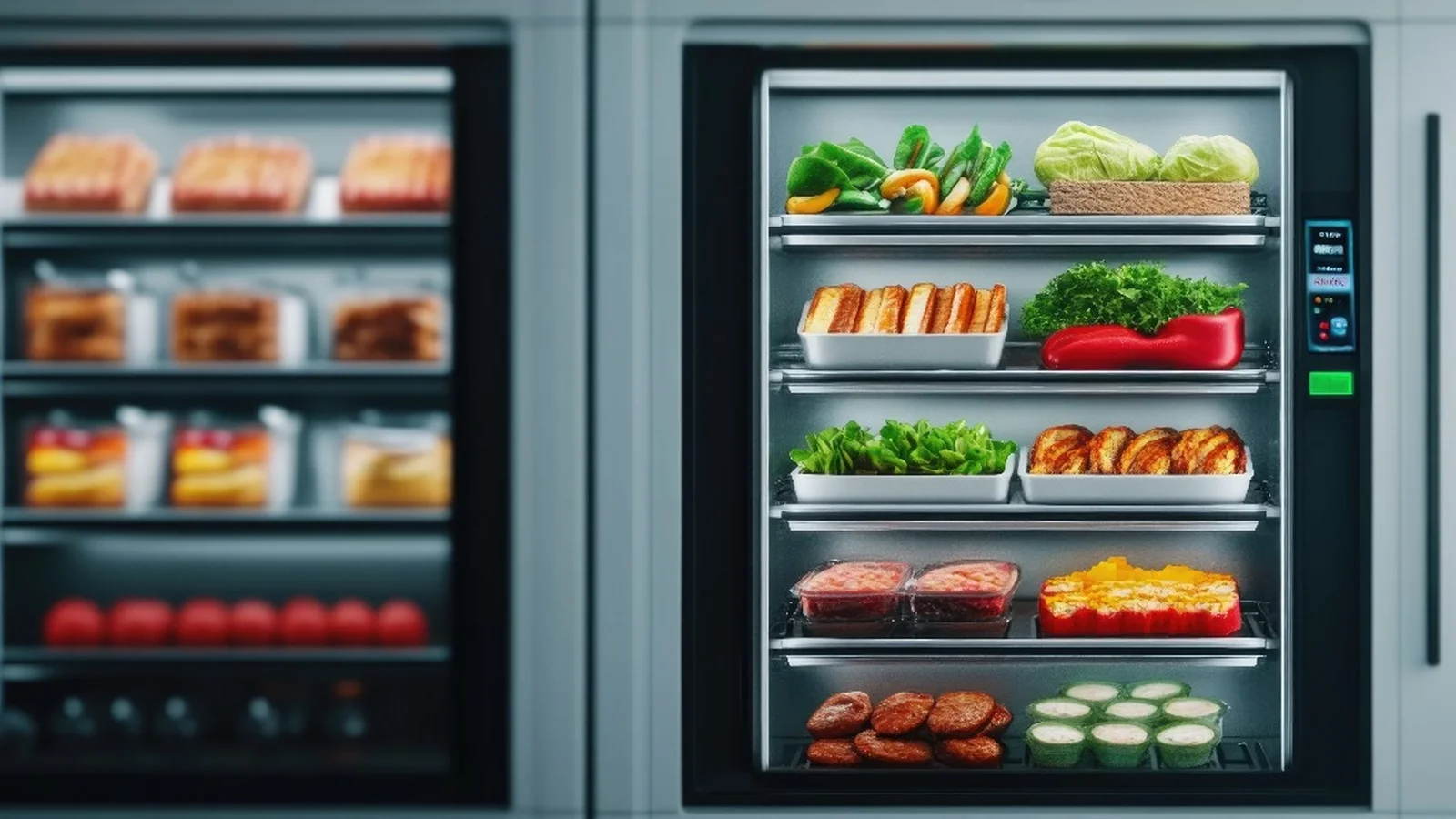
Selling a packaged snack through an automated unit is one thing. Offering refrigerated meals, fresh sandwiches, salads, or heated food introduces food-safety requirements, temperature control, sanitation, equipment standards, and local regulatory oversight.
That is why compliance needs to be part of the deployment plan from the beginning.
Fresh food changes the equipment conversation
Once time/temperature-controlled food enters the equation, the equipment has to do more than accept payment and dispense a product.
It has to help protect the food.
NSF/ANSI 25 establishes food-protection and sanitation requirements covering the materials, design, construction, and performance of vending machines for food and beverages.
The FDA Food Code also addresses vending equipment used for foods that require temperature control for safety. The 2022 Food Code serves as a model that state, local, tribal, and territorial authorities can adopt into their own rules.
That distinction matters.
An operator should never assume that buying a machine automatically means the location is approved for operation. Requirements can differ by jurisdiction, facility, food type, and equipment configuration.
For an operator considering fresh food, compliance questions should come before the rollout.
Temperature control cannot be an afterthought
The generally recognized cold-holding threshold for time/temperature-controlled foods is 41°F, or 5°C. Vending requirements can also include automatic shutoff protections when safe temperature conditions are not maintained.
From an operating standpoint, that means refrigeration cannot simply be something the route team checks during the next visit.
The system should be capable of identifying a temperature problem quickly and preventing unsafe product from remaining available for sale when required.
That introduces several questions operators should ask their equipment partners:
- How is temperature monitored?
- How frequently is the reading captured?
- What happens after a temperature exception?
- Does the system prevent additional sales when required?
- Who receives the alert?
- Is there a record of the event?
- What is the response procedure?
- How is affected inventory identified and removed?
Those answers become part of the operating model.
NSF, UL and CE serve different purposes
These terms are often grouped together, but they should not be treated as interchangeable.
NSF/ANSI 25 addresses food-equipment sanitation and food-protection requirements for vending machines.
UL standards can address electrical, fire, and casualty hazards associated with equipment such as refrigerated vending machines. UL 541, for example, covers refrigerated vending machines from an electrical and safety perspective.
CE marking applies within the European market to product categories covered by relevant EU legislation and indicates conformity with applicable health, safety, and environmental requirements.
For operators, the important question is not simply, "Does this machine have a certification sticker?"
Ask instead:
Which standards and approvals apply to this machine, this food program, and this deployment location?
That is a much better question.
Site requirements matter too
Equipment compliance is one part of deployment.
The location itself may introduce requirements around electrical service, food permits, fire safety, sanitation, accessibility, building codes, or health-department review.
A corporate office and an airport may have very different approval processes.
A privately managed residential property may differ from a public university.
A refrigerated grab-and-go unit may be treated differently from equipment that cooks or reheats food.
That is why the local authority having jurisdiction should be part of the planning process rather than an obstacle discovered after installation.
What T-ROC looks at before deployment
At T-ROC, we view automated retail as an operating program rather than a machine placement.
Before deploying fresh-food technology, operators should understand:
- What foods will be sold
- How those foods are prepared
- How they reach the location
- Required holding temperatures
- Equipment certifications
- Local regulatory requirements
- Power and connectivity requirements
- Replenishment frequency
- Cleaning responsibilities
- Service response
- Product removal procedures
- Customer support
Getting those pieces right early can prevent an expensive redesign later.
It also gives the program a stronger foundation for scale.
Compliance is a business issue
Compliance can sometimes be treated as a box to check at the end of a project.
That is the wrong approach.
Equipment selection, food selection, site approval, cold-chain procedures, service schedules, and expansion plans can all be affected by regulatory requirements.
The earlier those requirements are identified, the easier it becomes to build a repeatable model.
For operators entering fresh automated retail, that is the first lesson:
Do not separate compliance from the business plan. Build it into the program from day one.
In Part 2, I'll look at the next major decision: fresh versus frozen food—and why the right answer depends on much more than shelf life.
About Ben Wheeler

Related Media
Featured Vendor

Unlock the future of retail with AmeriKiosks! Our end-to-end solutions empower retailers to thrive in automated retail. With years of experience, we guide your transition into a cutting-edge automated retail company, ensuring growth and success.
Subscribe
Get the latest news and resources from Vending Times.
Recent Posts