Vending
Japan's vending industry facing major headwinds
July 7, 2026
 ChatGPT
 Grok
Grok Perplexity
 Claude
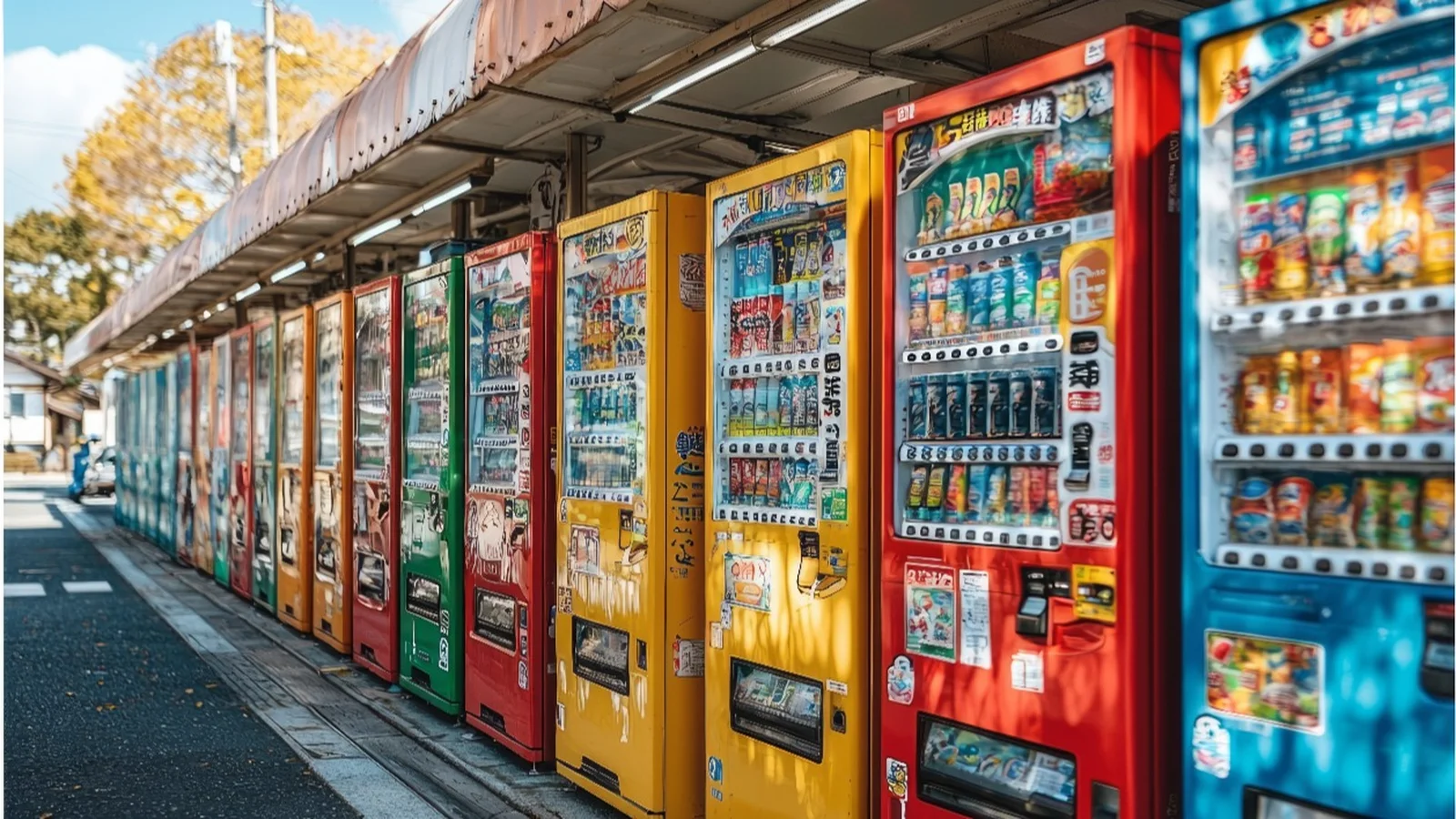
Japan's vending machine industry is undergoing a major restructuring as beverage companies reduce their reliance on automated retail in response to declining profitability, according to a BigGo Finance report.
Research from Yano Research Institute revealed the number of vending machines in Japan fell from about 4.94 million in 2016 to roughly 3.97 million in 2022 and is expected to decline to about 3.9 million by 2025.
Once home to an estimated 5.6 million machines at its peak in 2000, the market has been squeezed by the growth of convenience stores and drugstores, aggressive price competition and labor shortages affecting logistics.
Major beverage companies are taking different approaches to adapt. Ito En has cut its vending machine fleet by more than half over the past decade and is consolidating operations under subsidiary Ito En Neos to improve efficiency and increase sales per machine by offering a broader mix of products. DyDo Group Holdings, whose domestic beverage business depends heavily on vending machines, reported significant impairment losses and plans to remove about 20,000 underperforming machines while using artificial intelligence to optimize delivery routes, improve demand forecasting and reduce restocking costs.
Meanwhile, Sapporo Holdings decided to exit the vending machine business altogether. Its subsidiary, Pokka Sapporo Food & Beverage, plans to transfer the operation to Life Drink Company, allowing Sapporo to focus on faster-growing beverage categories while giving the buyer a larger sales network for its products. Industry analysts said the widening price gap between vending machines and retail stores has become one of the sector's biggest challenges, with some beverages selling for nearly three times as much from vending machines as they do in supermarkets.
Despite the industry's struggles, companies continue exploring ways to reinvent vending. Ito En is expanding product assortments, while DyDo is testing vending machines that dispense frozen foods, sweets and regional specialty items in addition to beverages. Industry observers said the future of Japan's vending machine business will depend on whether operators can improve efficiency, differentiate their offerings and compete with traditional retail channels without relying solely on price.
Related Media
Featured Vendor

Give your kiosks the best in managed connectivity and placement flexibility with powerful 4G LTE
Subscribe
Get the latest news and resources from Vending Times.