Foodservice
Spain’s fruit law could harm vending operators
February 2, 2026
 ChatGPT
 Grok
Grok Perplexity
 Claude
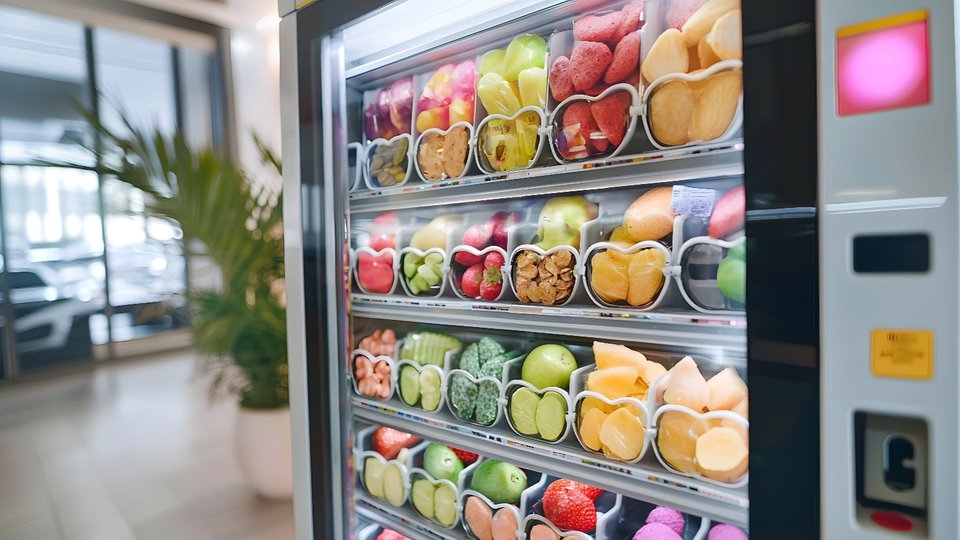
A contentious debate has emerged in Spain over proposed legislation that would require vending machines in public institutions, including hospitals and schools, to offer fresh fruit.
The initiative, introduced by the Ministry of Consumer Affairs, is intended to promote healthier eating, but vending operators warn it could result in higher prices, reduced profitability and even the removal of vending machines from some locations.
Vending companies argue fresh fruit presents significant operational challenges, according to a reportat Spanish news outlet RUSSPAIN. Fruit spoils quickly, requires constant monitoring and must be individually packaged to meet hygiene standards, all of which raise costs and reduce margins. Operators also saidmeeting a proposed requirement that 80% of products be considered "healthy" is unrealistic given consumer preferences and spoilage risks.
The challenges could have a significant effect on hospitals, deployers said, where vending machines often provide the only food option for staff and visitors during overnight hours.
Environmental concerns have also become an issue. To comply with sanitation rules, fruit would need plastic packaging, which would contradict Spain's broader waste-reduction goals. Attempts to use more sustainable packaging further increase costs, potentially lowering demand and increasing food waste from unsold, spoiled fruit.
The Association of Vending Operators has formally asked the government to revise the draft law, citing vague language, unclear standards and insufficient implementation timelines.
Related Media
Subscribe
Get the latest news and resources from Vending Times.