Vending
Japan's vending industry shows signs of softening
March 27, 2026
 ChatGPT
 Grok
Grok Perplexity
 Claude
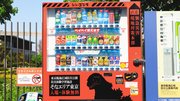
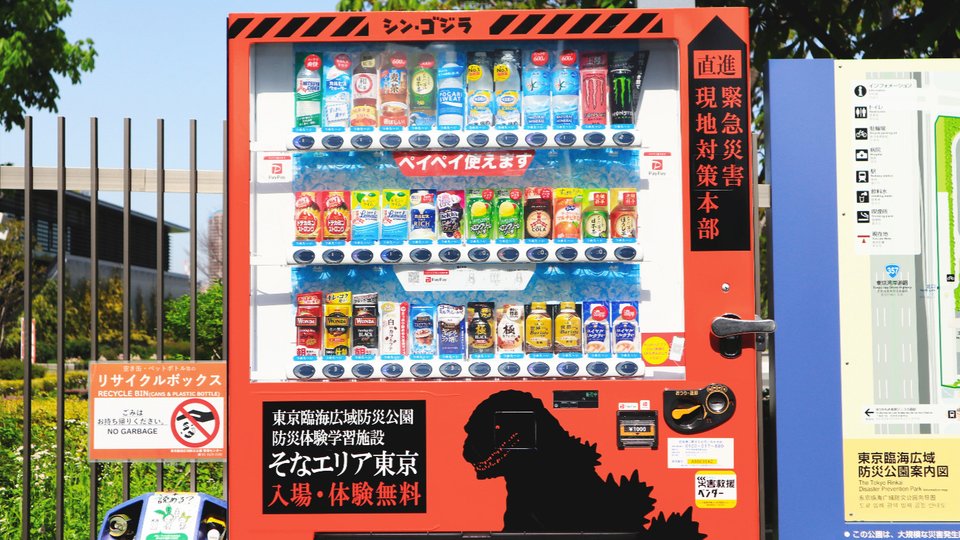
Japan is seeing a gradual decline in the number of vending machines, according to a Financial Times report. The nation currently has about 2.2 million beverage vending machines, which is 23% fewer than during the peak in 1985, according to the Japan Vending System Manufacturers Association.
The financial pressures facing the industry became clear when DyDo, Japan's third-largest vending machine operator, announced plans to remove about 7.5% of its 270,000 machines after reporting its largest annual loss. Other companies are also restructuring their vending machine businesses after acknowledging a deteriorating operating environment.
One major factor behind the decline is inflation and changing consumer behavior, the report says. As prices rise, many consumers are choosing cheaper alternatives available at convenience stores, drugstores and supermarkets. Popular drinks such as tea and coffee can cost about 20% less at nearby convenience stores, which have also expanded their offerings to include freshly brewed coffee. As a result, vending machine beverage sales have fallen significantly, dropping from 72 million cases sold in 1997 to just 42 million in 2024.
Japan's severe labor shortages are also affecting the industry. Although vending machines are automated at the point of sale, they still rely on workers to restock them and maintain operations. The country's shortage of truck drivers has pushed wages up by 7.1% in 2024, making it more expensive to service machines. Analysts note that many machines still rely on manual inventory checks rather than real-time digital monitoring, which increases labor demands.
To adapt, vending machine operators are shifting strategies. Some companies are investing in digital monitoring systems that allow operators to track inventory remotely, reducing the need for frequent restocking visits. Others are focusing on improving profitability by installing machines in better locations or using larger machines that require fewer service trips. However, industry experts say many machines, especially those in rural areas, still lack advanced technology, leaving operators struggling to justify new investments while sales continue to decline.
Related Media
Subscribe
Get the latest news and resources from Vending Times.
Recent Posts