Vending
Classic vending with a modern twist
The global migration to more intelligent, agile, interactive vending devices creates opportunities and challenges for manufacturers and service providers
December 12, 2025 by Dale Laszig — Founder, DSL Direct LLC
 ChatGPT
 Grok
Grok Perplexity
 Claude
This is the first of a two-part series on the transformation of vending operations. Read part two here.
Vending has come a long way from dispensing drinks and snacks, but the Classic Coke machine and other familiar icons are still winning hearts around the world, according to experts, who have seen a resurgence of unattended solutions across numerous industries and environments.
Claus Gehne, head of vertical, vending, and adjacent markets at Worldline, has seen technology transform vending's traditional operations and user interface.
"By integrating cutting-edge technologies, vending operators are meeting growing consumer demands for cashless payments, sustainability, diverse product offerings and enhanced customer experiences," he said.
Pierre Veillon, mobility and self-service marketing manager at Worldline, agreed vending operators are leveraging technology to enhance functionality and improve the customer experience. "Modern vending machines are a sophisticated combination of technology, consumer insights and convenience, designed to meet the demands of today's fast-paced world," he said.
Classic meets modern
Veillon pointed out that keeping customers happy will keep them coming back. Intuitive interfaces with clear instructions, responsive screens and user-friendly layouts will ensure repeat business, he added, advising operators to expand reach with diversified product offerings and accessibility features such as height-friendly designs, Braille displays and audio guidance.
"Having an expanded product range, including fresh food, personal hygiene products and even electronics," he said. "In addition, vending operators can adapt their product range to suit the preferences of specific locations or customer demographics."
Gehne noted differences between classic and modern machines have become more pronounced as the industry evolves, citing the following examples:
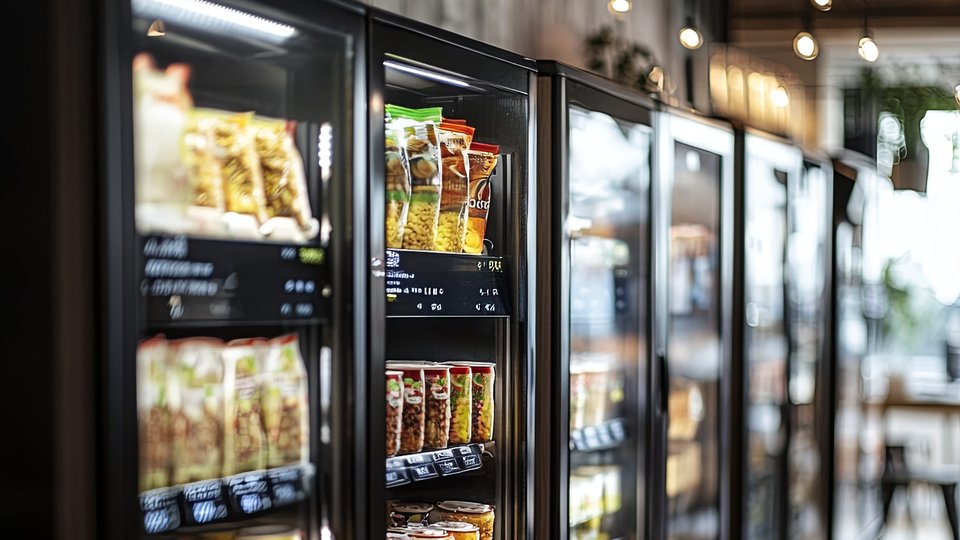
- Personalization: User-friendly modern machines enable customers to select the strength of their coffee or toppings on food items. Traditional machines frequently offer limited selections tailored to standard-sized snack or drink packets.
- Device estate management: Internal sensors, cameras, and connectivity on modern devices allow operators to monitor inventory and purchasing trends in real time, predict demand and remotely troubleshoot technical issues, reducing outages and costly service calls.
- Payment options: Modern vending machines process funds digitally and accept credit cards, mobile wallets and even QR codes, unlike models that accept only coins and cash. Modern devices enable consumers to build baskets of multiple items, increasing average ticket size.
- Upsell opportunities: Vending machines with digital displays can offer promotions, nutritional information, and even advertisements. Models with feedback functionality, loyalty and 'click and collect' services enable operators to gain customer insights and improve available options.
- AI-powered automation: Models equipped with artificial intelligence and machine learning enable operators to launch sales campaigns, exclusive offers and adjust prices remotely. These capabilities can be triggered automatically using pre-set rules programs.
Analog-to-digital evolution
Reflecting on vending's evolution from simple coin or note-operated devices to digitally enhanced touchscreens, Gehne highlighted the customer experience as the greatest differentiator between old and new models.
"Classic vending is built to dispense a limited range of products and relies heavily on mechanical components," he said. "These machines often lack digital interfaces and are more prone to mechanical failure due to wear and tear over time. Newer models with touchscreens, digital payment systems, and smart sensors, offer a more seamless experience."
He also noted that always-connected next-generation models have adjustable compartments and advanced programming, which enables operators to monitor stock levels and machine performance. These machines typically consume less energy than older models to maintain proper food temperatures.
Vending's AI era
Looking ahead, Gehne proposed that artificial intelligence and machine learning are driving the current phase of vending evolution, by enabling machines to perform tasks once considered impossible. Following are some examples:
Expanded payments options
AI enables vending machines to support diverse payment methods, such as mobile wallets, NFC or QR-based payments, and even biometric systems. These cashless and contactless methods align with evolving consumer expectations and provide seamless, secure transactions.
Smarter inventory management
AI, through advanced algorithms and data analysis, can determine best-selling products, track sales trends and automatically notify operators when restocking is required, reducing inventory waste and ensuring that popular products are available.
Improved customer engagement
ML and AI-based algorithms enable vending machines to identify repeat customers and tailor recommendations accordingly. Smart machines, for example, can recommend products based on purchase history or customer demographics to personalize the customer experience.
Optimized product offerings
Vending operators can leverage technology to assess purchasing trends and location-specific demand patterns.
A vending machine in an office, for example, might prioritize snacks and beverages, while one at a transit hub might focus on convenience items.
Near-term opportunities
The global migration to more intelligent, agile, interactive vending devices creates opportunities and challenges for manufacturers and service providers, Veillon noted.
"There are still a substantial number of legacy vending machines to adapt and enhance in order to transform them into smart machines," he said. "That is the immediate challenge for operators and manufacturers."
Veillon went on to say that there is also substantial room for growth within the food and drink sector as vending machine capabilities continue to improve, and more sophisticated machines cook meals from fresh or even frozen ingredients.
"As an engineer, I am impressed by the mechanical engineering required to build machines that can deliver hot popcorn, cooked pizzas made from fresh ingredients, or a bowl of different flavoured ice creams from an available selection within the machine," Veillon said.
Long-term growth
Gehne predicted a strong future for vending, driven by a variety of cultural and economic factors, from growing demand for healthy snacks and cashless payments to changing work patterns. With the rise of hybrid and remote working, he stated, vending machine installations in co-working spaces, serviced offices and even residential buildings are growing. Employees no longer need to "step out" for essentials, he said, thanks to strategically placed machines fitted with curated product selections.
"Shifting consumer preferences mean that the modern consumer increasingly values convenience and speed," he said. "With busier lifestyles and limited time for traditional shopping or dining, on-the-go solutions have become essential. Vending machines, offering a 24/7 service and immediate access to a wide array of products, perfectly meet this need."
Veillon concurred, stating smart vending machines are well positioned to meet ever changing customer needs.
"Today's vending machines are far more versatile and can meet the needs of consumers who are increasingly seeking premium products and niche vending choices," he said. "This, coupled with technologies that reduce downtime and optimize stock replenishment, will help cement the sector's place as a valuable, convenient and most importantly, essential retail choice."
About Dale Laszig

Related Media
Subscribe
Get the latest news and resources from Vending Times.