Vending
Classic vending: Built to last, designed to evolve
Smart technology has transformed vending from a single-product transaction into a more flexible retail experience.
March 19, 2026 by Dale Laszig — Founder, DSL Direct LLC
 ChatGPT
 Grok
Grok Perplexity
 Claude
For decades, classic vending machines have dispensed products, powered routes and generated revenue. These familiar icons continue to meet customers where they are, delighting some and frustrating others who expect smarter technology, broader product selections and more ways to pay at the point of purchase.
As customer expectations evolve, operators are retrofitting and replacing legacy equipment, creating a complex, multilayered ecosystem where each advancement builds on what came before. From coin mechanisms to bill validators, from MDB compatibility to cashless readers, classic and modern machines coexist, sometimes side by side, demonstrating that modernization in vending is more of an expansion than a clean break from the past.
Smarter technology
Smart technology has transformed vending from a single-product transaction into a more flexible retail experience. Clear digital displays, intuitive interfaces and connected systems allow customers to browse, compare and purchase multiple items in a single visit.
Peter Zoumboulakis, president of WeVend, an unattended solutions provider, observed that smart coolers and computer vision systems have a fast return on investment.
"When you install a smart cooler, the average transaction jumps significantly because customers shop the cooler like a store," he said. "The economics just make sense."
Unlike single-vend machines, these smart models allow customers to open a door, select multiple products and complete payment seamlessly. The result is not only greater convenience, but higher average transaction values and expanded revenue opportunities for operators.
Broader product selections
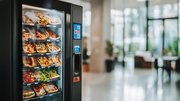
Modern cabinet designs and connected technology have also expanded what operators can offer inside a machine. Glass-front units improved visibility, while adjustable shelving and flexible configurations allow for a wider variety of product sizes and price points.
With cashless payments reducing reliance on coin denominations, operators can introduce premium beverages, energy drinks and higher-margin items without being limited by the number of quarters a customer has on hand. Expanded product mix, combined with remote pricing capabilities, gives operators greater control over both merchandising and profitability.
More ways to pay
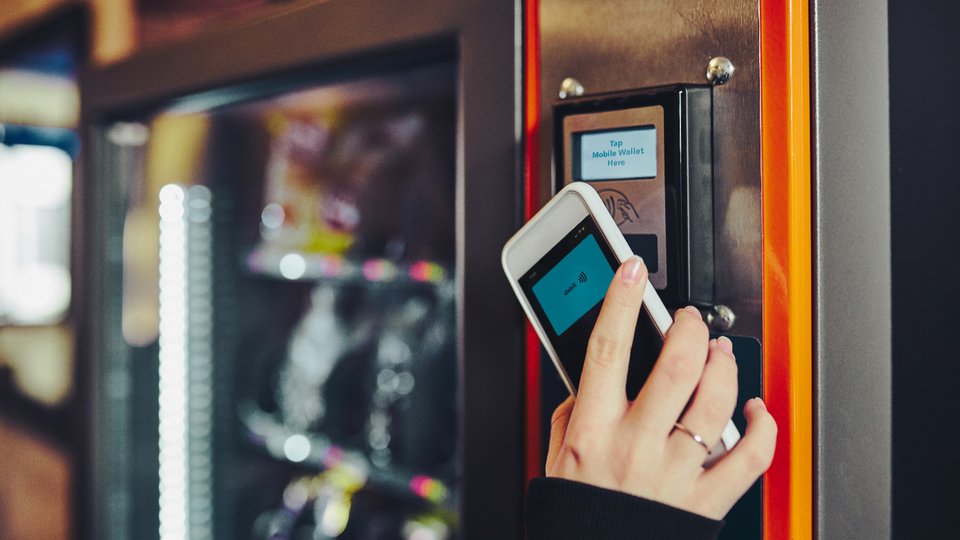
Cashless technology has become a baseline for most operators. Customers expect tap-and-go convenience, and many fleets have already been converted to accept cards and mobile payments.
Beyond convenience, connected readers allow remote price changes, telemetry, real-time sales visibility and even security monitoring. A machine that once stood alone can now communicate with operators, providing insight into performance and maintenance needs.
For many operators, this connectivity reinforces a broader realization: innovation in vending tends to layer onto existing infrastructure. Each technological leap expands the ecosystem, giving operators more tools to match equipment to opportunity.
Practical considerations
Deciding whether to retrofit or replace rarely comes down to technology alone, noted Jason Moss, director of unattended payments at Castles North America, who pointed to several factors that influence equipment placement:
- Location: High-traffic sites may justify investment in smart coolers or advanced glass-front machines, while lower-volume locations may continue to perform well with upgraded legacy units.
- Environment: In areas with higher vandalism risk, operators may prefer durable traditional cabinets or fully cashless configurations that reduce theft exposure.
- Customer demographics: College campuses, hospitals and corporate environments may demand newer technology, while low-traffic settings may prioritize reliability over features.
"On a college campus, you might have the latest smart equipment in high-traffic student centers," Moss said. "But in smaller buildings like HR or facilities, you need dependable machines that just work. There's a place for both."
Vending's continuous expansion
Some operators are strategically retrofitting classic machines with modern payment systems and telemetry, recognizing the durability of cabinets and internal components that were engineered to last. Rather than scrapping infrastructure that still performs, they are upgrading it to extend its relevance in a connected world.
At the same time, smart coolers and AI-driven systems are expanding what vending can be, increasing transaction sizes and reshaping the customer experience.
The ecosystem is large enough to accommodate legacy workhorses and next-generation technology, often within the same property. In today's vending industry, classics and moderns don't compete. They complement one another.
About Dale Laszig

Related Media
Subscribe
Get the latest news and resources from Vending Times.