Vending
Can retrofitting save classic vending?
What may finally push classic vending machines toward extinction isn’t wear and tear, but the industry’s shift from analog to digital technology.
February 11, 2026 by Dale Laszig — Founder, DSL Direct LLC
 ChatGPT
 Grok
Grok Perplexity
 Claude
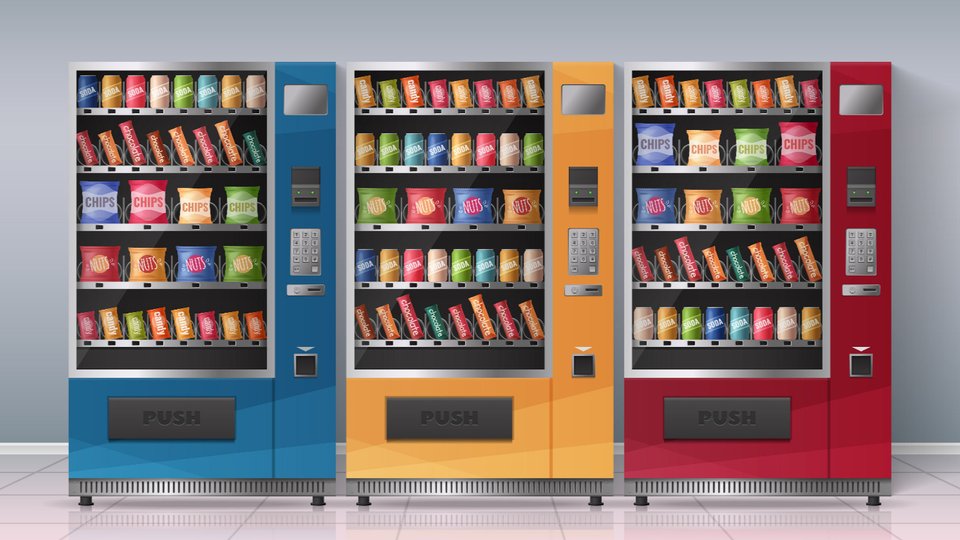
Classic vending machines are more than just snack dispensers; they're icons of a simpler time, when the biggest decision you faced was choosing between chips or candy, not unlocking a smartphone or navigating a touchscreen. Built with straightforward designs and engineered to last, these machines earned their popularity by surviving decades of heavy use, harsh environments, and constant abuse.
Ironically, what may finally push them toward extinction isn't wear and tear, but the industry's shift from analog to digital technology. As consumers grow accustomed to cashless payments, connectivity, and smarter machines, operators question how easy it would be to update older models.
Retrofitting classic vending machines is surprisingly easy, said Peter Zoumboulakis, president of WeVend, an unattended solutions provider, who described the analog-to-digital process as plug-and-play.
"MDB is the language devices inside a vending machine use to talk to each other; it connects the controller with coin, bill and cashless readers," he said. "Most classic machines already support MDB or can be retrofitted quickly, delivering immediate sales lift and extending machine life without full replacement."
In addition to enabling pricing, credit and transactions to work together reliably, the MDB protocol enables cashless devices to capture additional vending machine data, beyond just payments, which it exports to an integrated Vending Management System.
Resilient protocols
Jason Moss, director of unattended payments at Castles North America, has seen vending protocols evolve alongside everchanging technology and customer behavior. MDB can manage coins, bills and digital transactions, while pulse — a protocol that predates MDB — can also support cashless payments.
"Really old mechanical coin machines would use the pulse protocol to count coins," he said. "You'd drop in a quarter and a sensor and internal counter would detect each pulse. Arcade games, pool and laundry machines, would use that kind of technology."
Moss noted that Castles created a coin-pulse technology for old machines. Instead of ripping out and replacing a coin-based machine, operators can insert a new console and place black and red wire leads where the quarters go. The machine will count single and multiple pulses, whether coin-based or contactless, to calculate a transaction.
"People aren't carrying quarters in their wallets, but most carry credit cards or a smartphone or wearable with Apple Pay or Google Pay. Now they can just tap and go at your machines, and operators see significant lifts."
Backward compatibility, future-forward design
Moss compared classic vending models to refrigerators that keep on running, with occasional swap outs when components break down. Cost is usually the barrier to upgrading one of these units. You need enough capital to buy a card reader and the ROI may take a while for a machine that's only doing a couple of bucks here and there.
"On the flipside, without the upgrade, how many people will just walk by your machine because they don't have cash in their pockets? If you make the investment, you get a lift, just by adding a credit card reader."
The analog-to-digital upgrade does more than just add payments options, Moss explained, citing several additional benefits:
Connectivity: Credit card readers have built-in cellular communications, allowing machines to report daily sales data. Operators can track inventory, know when to service a machine and how much product to bring, keeping machines stocked and preventing missed sales.
Estate management: Machines have built-in telemetry that can alert you to all kinds of issues, from a dip in sales to a temperature problem, broken compressor or attempted break-in to a low-performing machine. You can remotely access planogram data to see which products are selling and operate your business more efficiently and intelligently.
Pricing elasticity: When you raise prices on a cashless machine, it doesn't slow down volume as much as it used to with coin-based vending. For example, sales plummeted when vending machines changed the price of soda from $1 to $1.25, because people had to reach back into their pockets for more cash. It slowed things down. These same machines had an uptick in sales when they added a card reader. People could tap and go.
Security: Adding card readers to a machine reduces risk. Machines that hold little or no cash are far less attractive targets for theft, which can deter break-ins altogether. Fewer incidents of vandalism mean lower repair costs, less downtime, and safer conditions for operators who no longer need to handle large amounts of cash. For location owners, cashless machines are also less likely to attract unwanted activity.
Optionality: By supporting various closed loop systems, card readers can accept campus cards, gift and loyalty cards, fleet cards, employee badges and mobile app interfaces. Customers can scan a QR code on the machine and use the app to talk to the machine and make a purchase. Whether the transaction is routed to a card issuer or student card processor, these systems work the same way.
Next-level technology
Zoumboulakis and Moss agreed the simple act of adding a card reader to a classic vending machine can be transformative for machines and operators.
"One of the reasons we got into this business is we wanted to give operators more than plain cashless transactions," Zoumboulakis said. "With the Android layer, there are so many things you can do that weren't possible before. The old machines wouldn't give you a receipt, but now you can scan a QR code and send a receipt to your phone."
He added that consumers can now purchase multiple items and receive a fully itemized receipt, complete with sales tax. Non-payment data can also be captured and pushed to the VMS, and with MDB Version 4.3, operators can expect richer transaction messaging, improved support and backward compatibility.
Classic machines have indeed evolved, but teams at WeVend and Castles North America believe the best is yet to come.
About Dale Laszig

Related Media
Subscribe
Get the latest news and resources from Vending Times.
Recent Posts